 https://bergspotter.com/wp-content/uploads/2025/03/these_beautiful_things_featured_journal.jpg
1067
1600
Frederik
https://bergspotter.com/wp-content/uploads/2024/03/bergs_potter_logo_dark.svg
Frederik2025-03-12 10:50:252026-06-15 12:42:52A Postcard From: Viktoria Askerow
https://bergspotter.com/wp-content/uploads/2025/03/these_beautiful_things_featured_journal.jpg
1067
1600
Frederik
https://bergspotter.com/wp-content/uploads/2024/03/bergs_potter_logo_dark.svg
Frederik2025-03-12 10:50:252026-06-15 12:42:52A Postcard From: Viktoria AskerowNestled among trees, the classic Danish summer house is defined by dark wood, white-framed windows, and a close connection to nature — a place shaped for slow days, long meals outdoors and life lived a little closer to the seasons. In this journal, Carla Sofie Molge shares her approach to calm, personal interiors, and how light, materials, and plants come together to create a natural and effortless atmosphere.
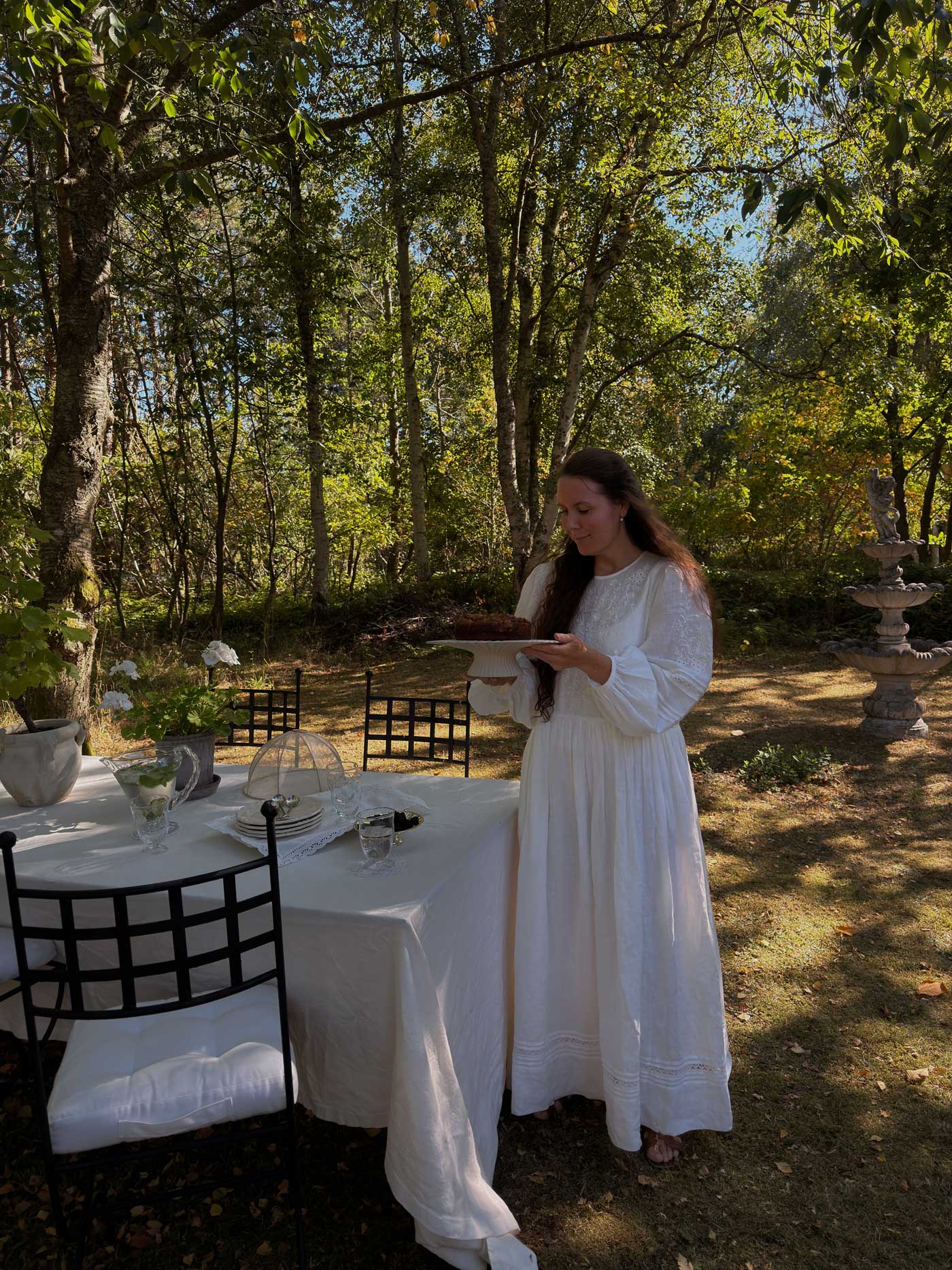
Setting the table for outdoor dining in the garden.
Could you introduce yourself, who you live with, and what you do?
I work as a home stylist and content creator, with a focus on interiors, atmosphere, and visual storytelling. I live with my family, and my work and home are closely connected – they often exist within the same spaces and moods.
What inspires you most in your work as a stylist?
I’m very inspired by atmosphere, light, and materials – especially how light shifts throughout the day and defines a space. I’m also drawn to what feels honest and lived-in, where things aren’t overly styled but carry a natural sense of ease.
How would you describe your interior style?
My style is calm and tactile, with a focus on natural materials and muted tones. I like to build spaces in layers and combine different elements to create something personal and not too polished. It should feel relaxed and alive.
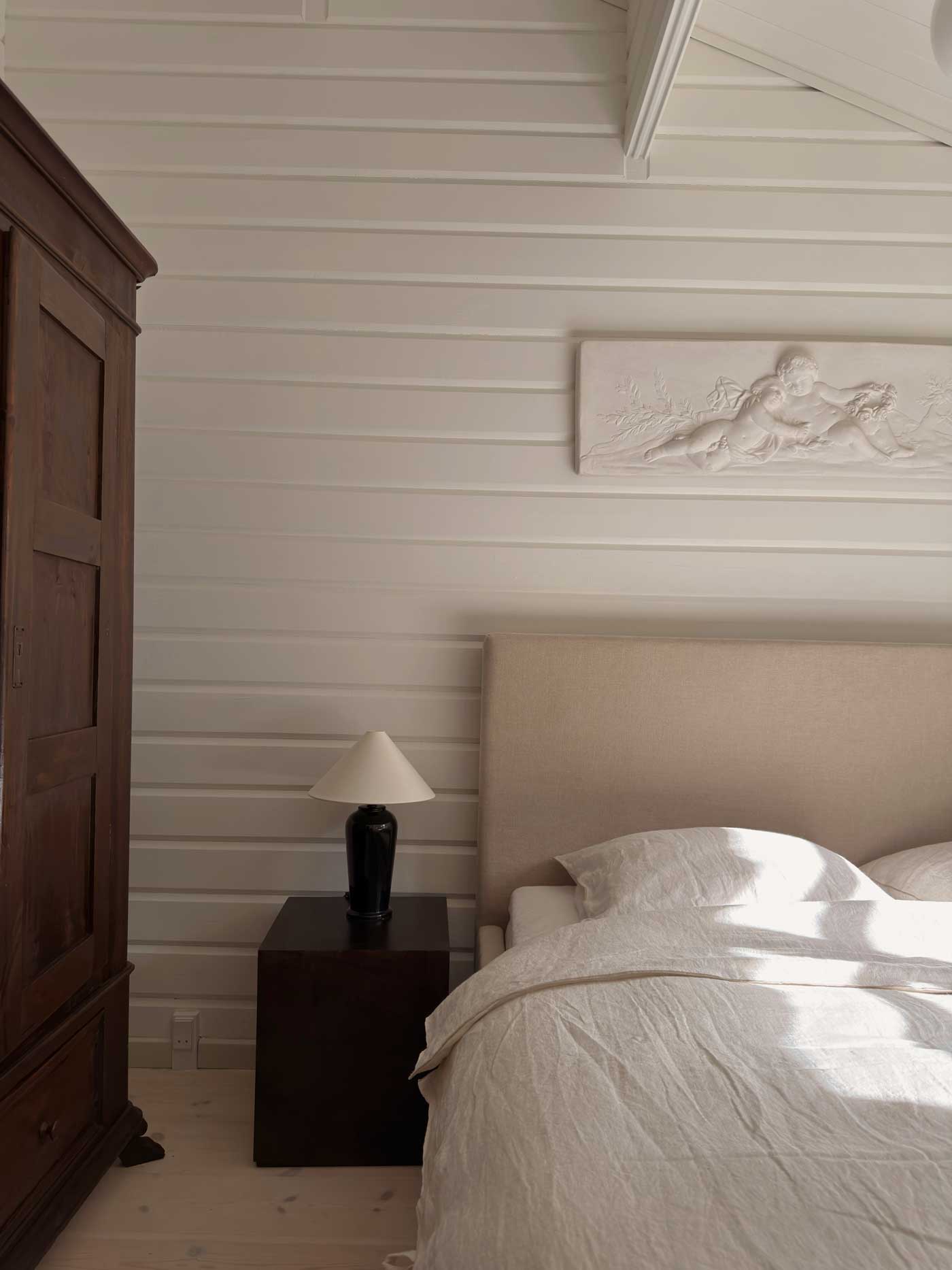
A calm bedroom shaped by soft light and natural textures.
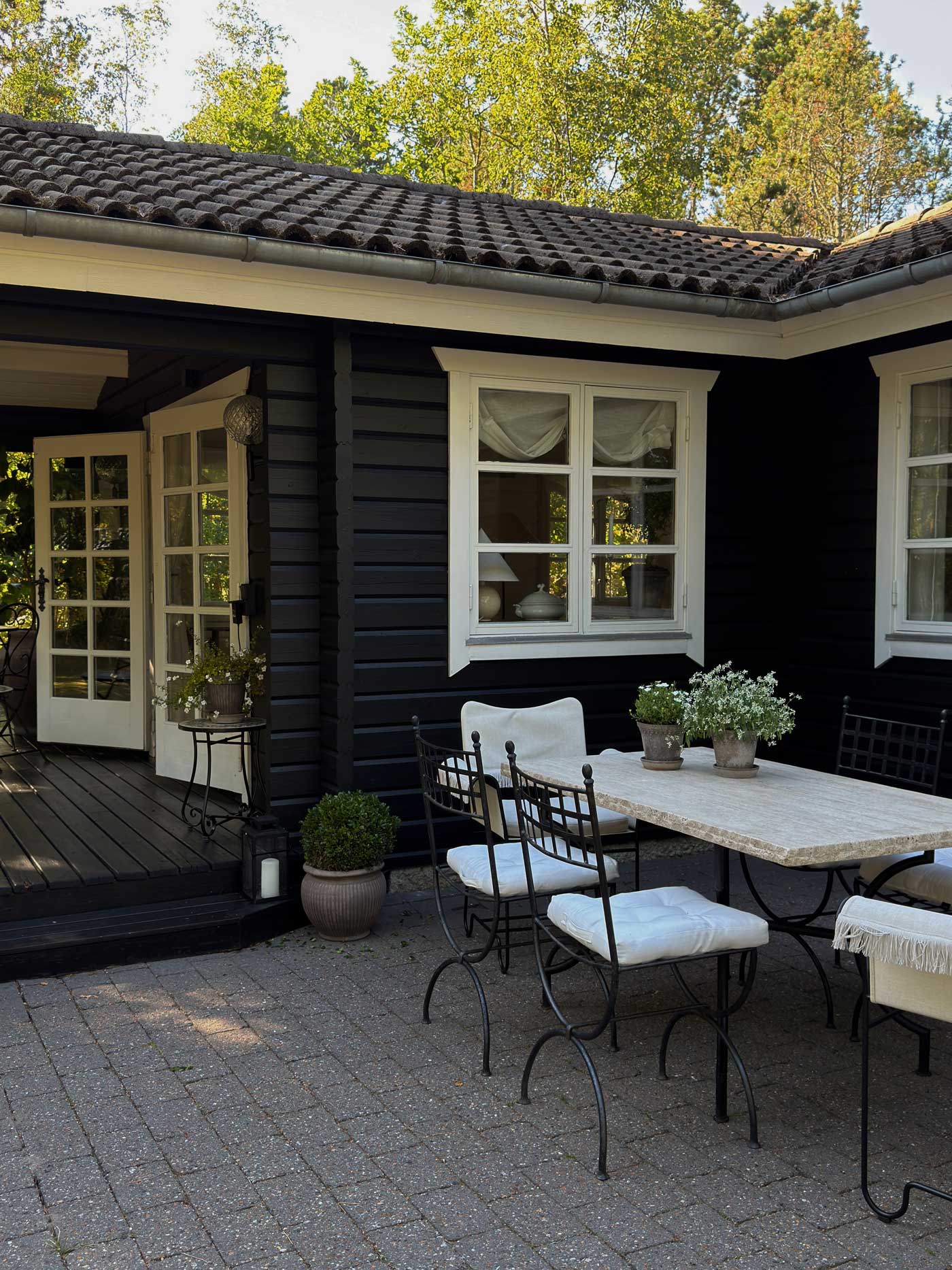
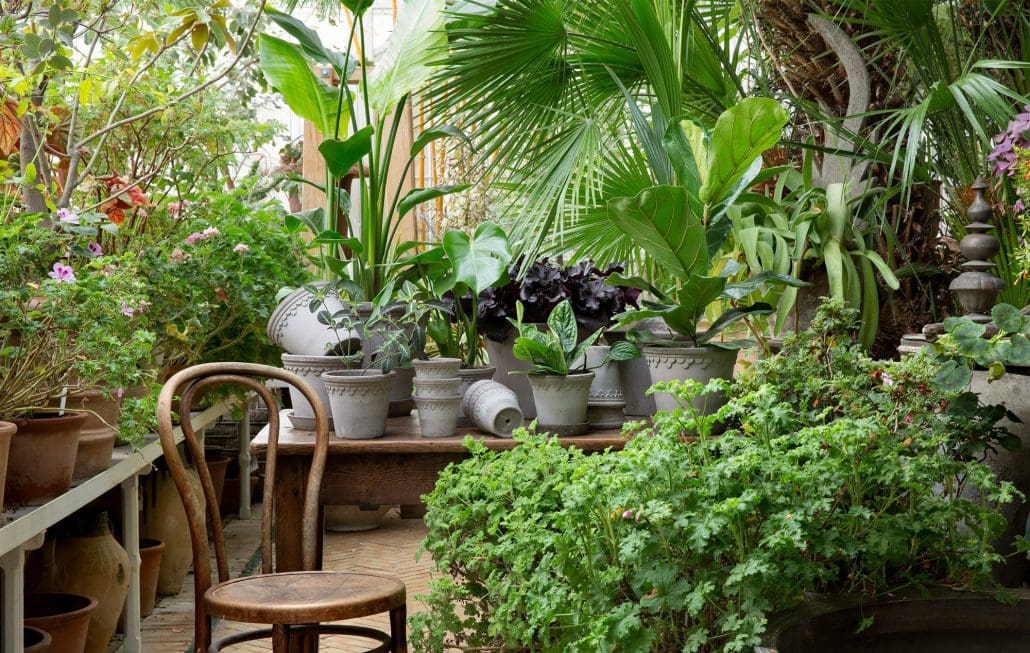
An outdoor setting with potted plants.
Many Danish summer houses are built in wood with dark façades, white sash windows, and surrounded by nature. What does this particular type of summer house mean to you?
There is something very special about that type of summer house. The combination of wood, dark façades, white-framed windows, and surrounding nature creates a sense of calm and authenticity that is hard to replicate elsewhere. It feels like a place to slow down and reconnect – both with nature and with each other.
What is the most essential element in a summer house for it to feel just right?
For me, it’s about the feeling of it being a home – not just a place you stay. It should have warmth and a sense of life. Materials, light, and atmosphere all matter, but most importantly, it needs to feel lived-in and personal.
What kind of atmosphere do you aim to create in your summer house?
I try to create a calm and grounded atmosphere where there’s space to slow down. It should feel soft, lived-in, and effortless – a place where you can simply be present.
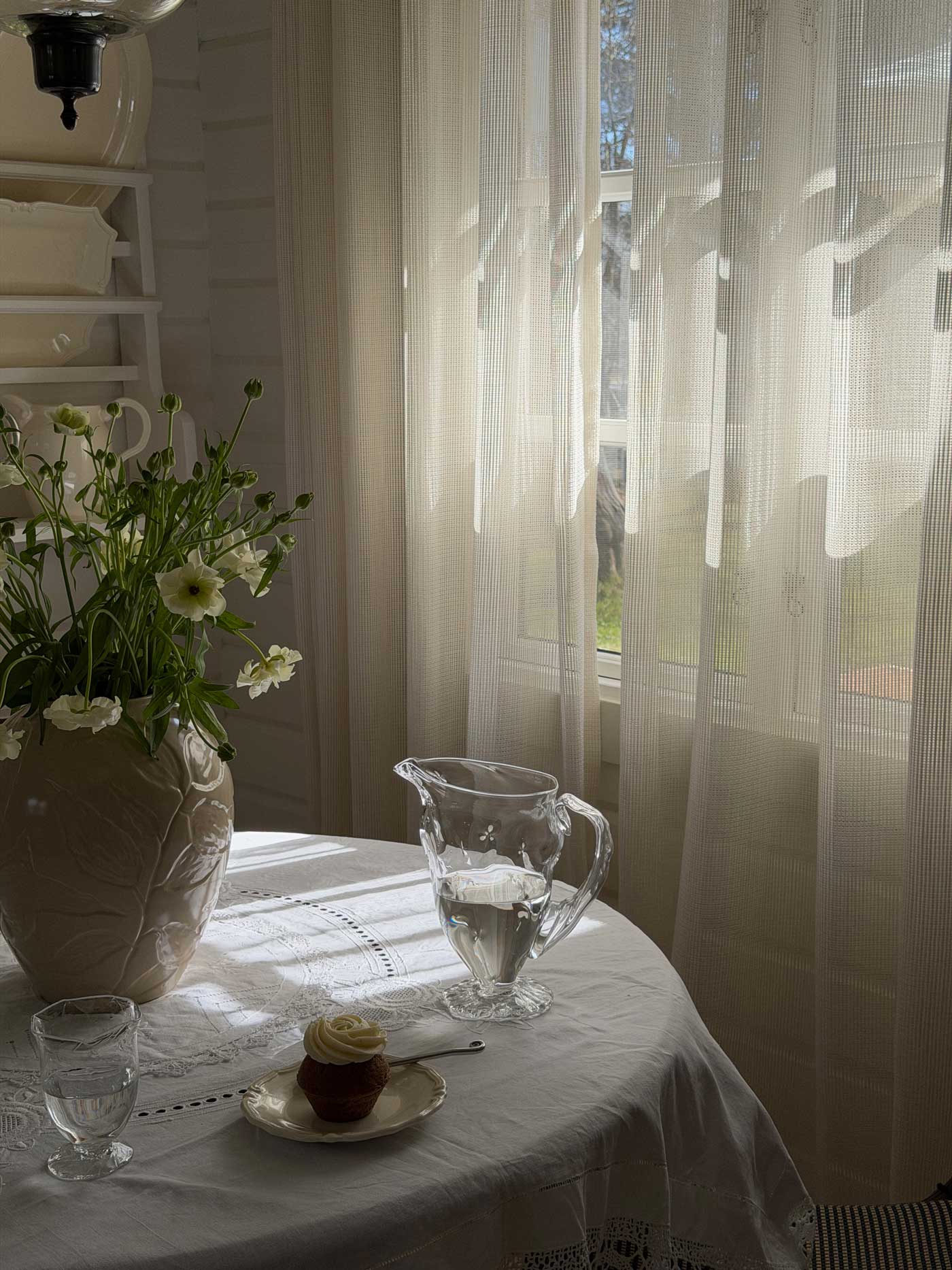
A simple table setting.
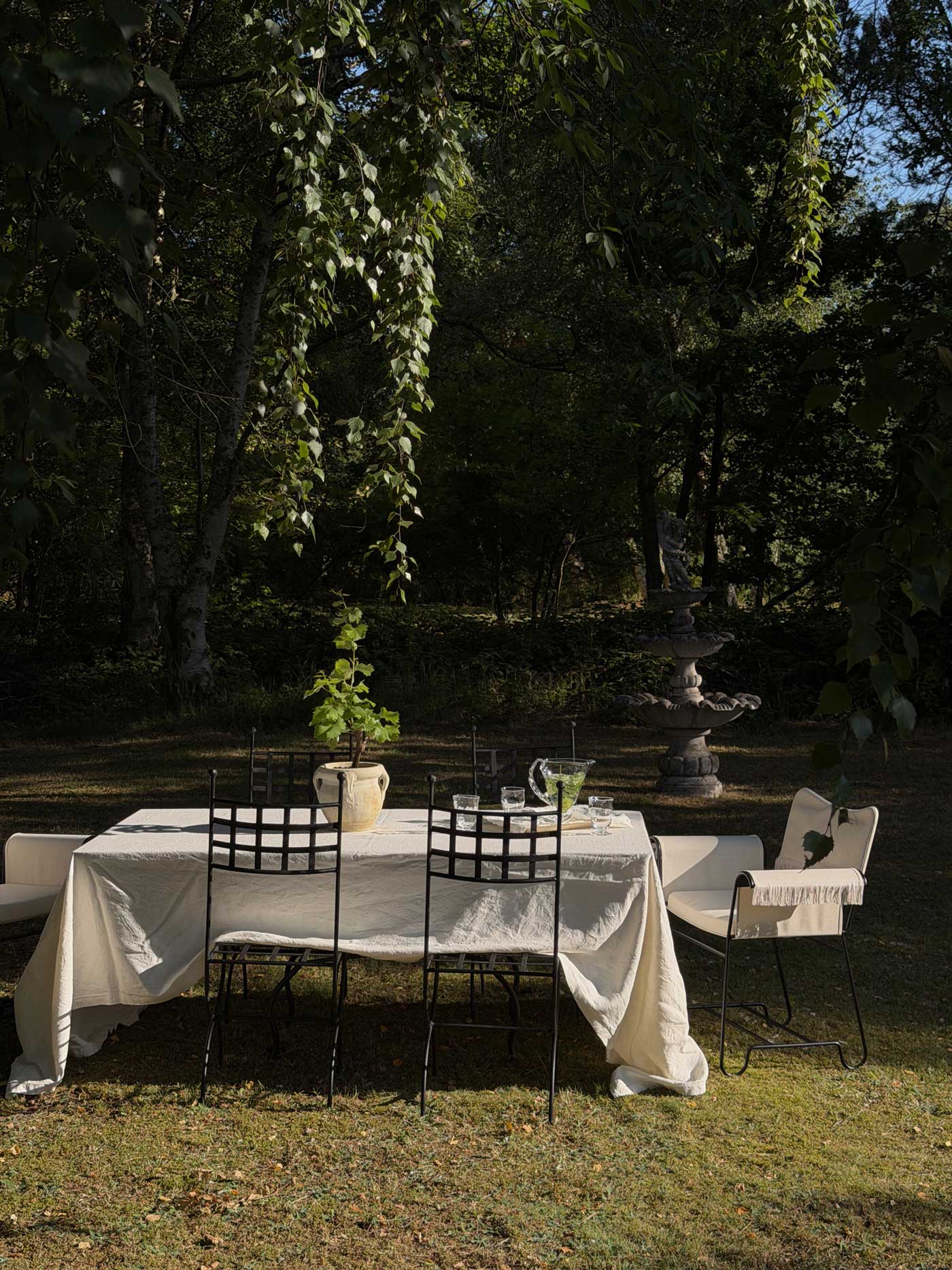
An outdoor table framed by lush greenery.
How did you approach the interior design of your summer house?
The process has been very intuitive. I haven’t worked from a fixed plan but have built everything up gradually, layer by layer. Many pieces have been found along the way – for example at flea markets – which has made the process feel more free and personal.
Have you consciously worked with plants or pots as part of the overall expression?
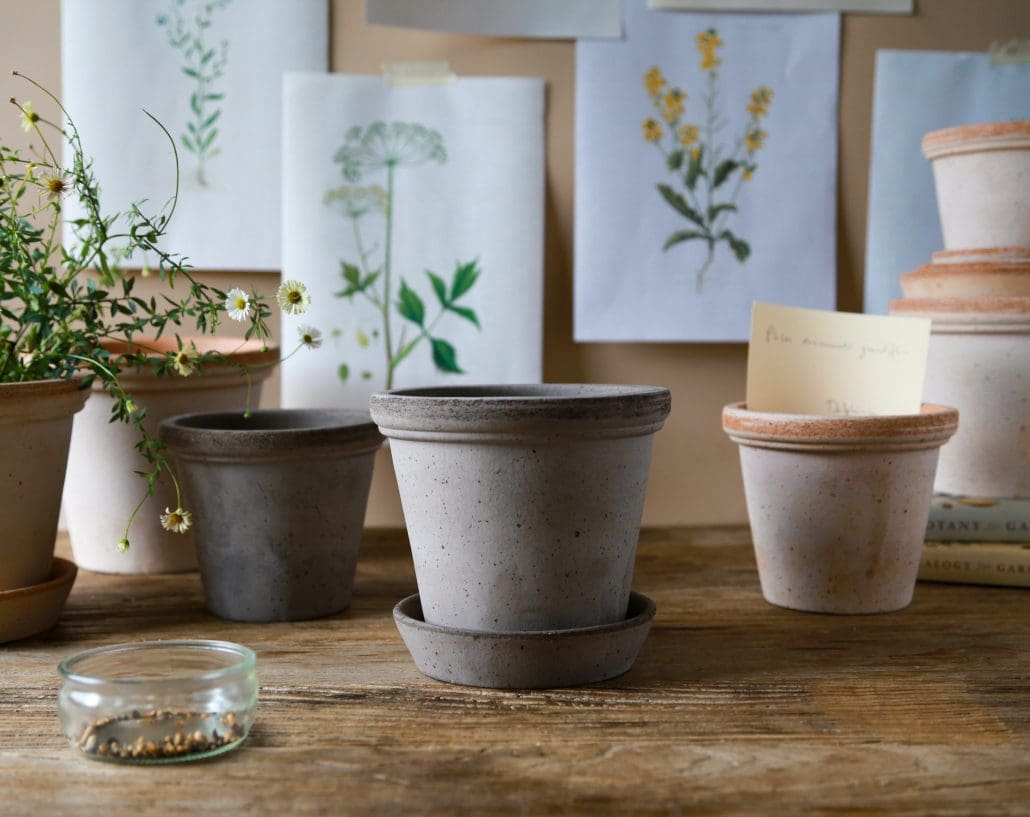
I’ve worked quite consciously with pots as a way of creating variation and personality. I like combining different shapes and expressions while keeping the colour palette consistent. I’ve especially enjoyed working with Bergs Potter pieces, as they have a timeless, tactile quality that fits naturally into the space. They help create a sense of calm while still feeling dynamic and individual.
What role do plants play in your home and summer house?
Plants bring life, movement, and a certain softness that’s hard to achieve in other ways. Even just a few green elements can completely change the feeling of a space. In the summer house, they also help highlight the seasons – whether it’s spring branches or a more minimal winter expression. I often use pots and vases to emphasise these shifts, and I like how the grey terracotta tones from Bergs Potter create a continuity throughout the year.
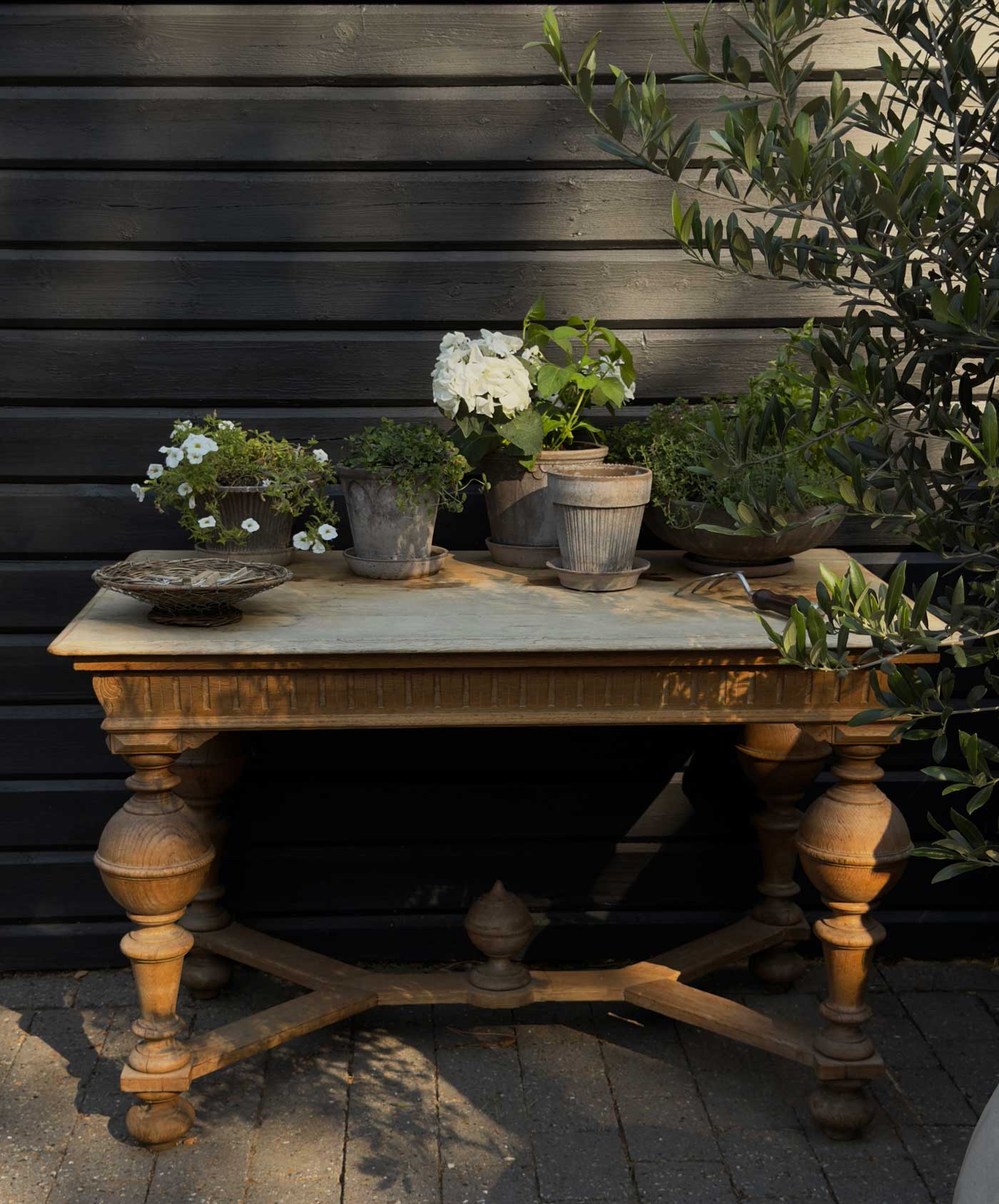
Terracotta pots and flowering plants gathered on a wooden table.
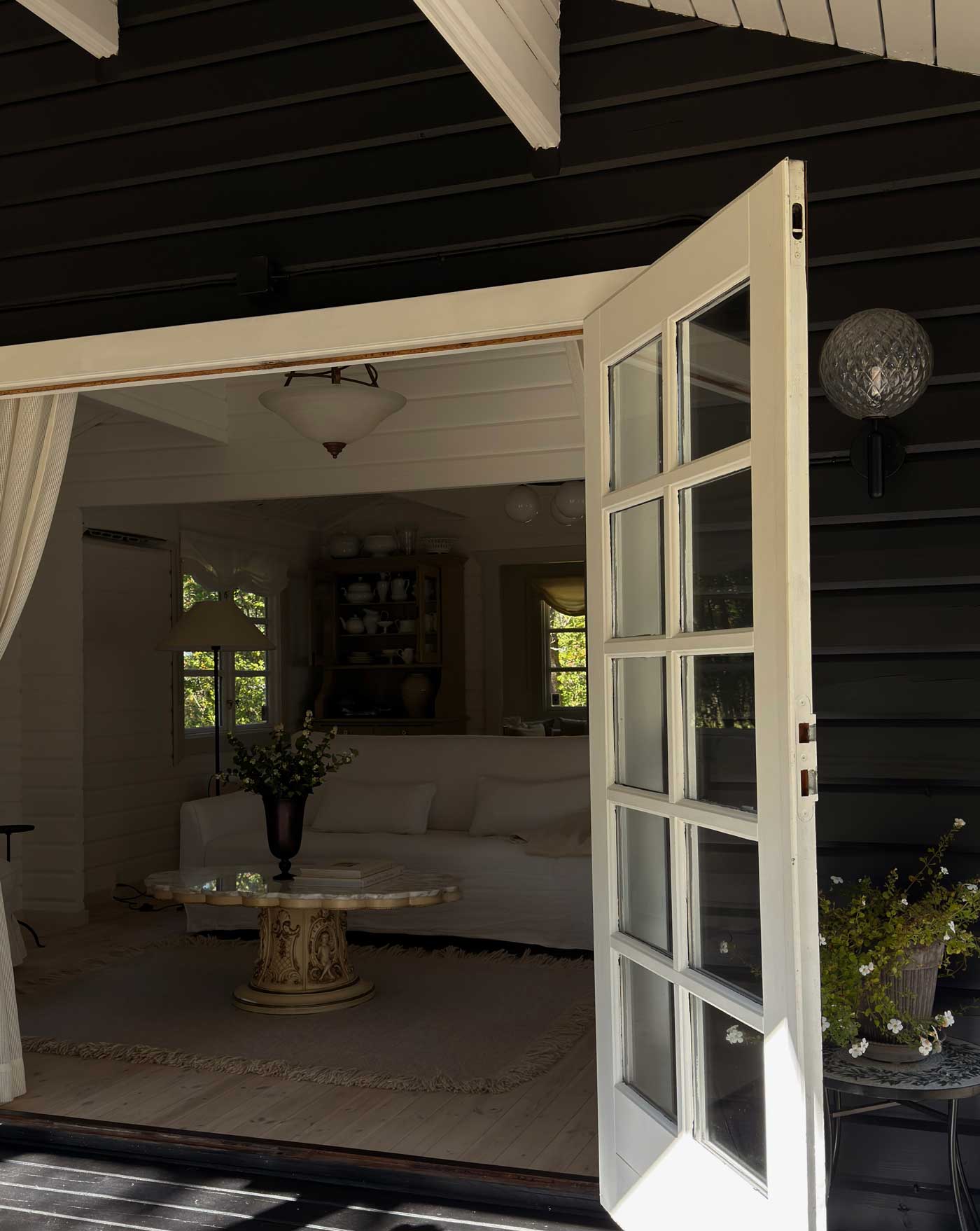
Open double doors connect the summer house living room with the terrace outside.
Is there a particular place in the summer house you are especially fond of?
I’m especially drawn to the area around the living room and the transition to the terrace. With the double doors, you get the feeling of being both inside and outside at once. The light plays a big role here and changes throughout the day, but also across the seasons – which really affects how the space is used and experienced. In winter, it feels cosy and inward-looking, while in spring and summer it naturally opens up towards the terrace and the surroundings. It creates a unique atmosphere that shifts with the rhythm of the year.
Words: Carla Sofie Molge & Bergs Potter. Photos: Carla Sofie Molge.
We are always curious and eager to learn how and what you grow in your corner of the world – and not at least how you are living with Bergs Potter. Please share your experience by tagging us on Instagram or Pinterest; #livingwithBergs, #bergspotter.
Other stories you might like
https://bergspotter.com/wp-content/uploads/2025/03/these_beautiful_things_featured_journal.jpg
1067
1600
Frederik
https://bergspotter.com/wp-content/uploads/2024/03/bergs_potter_logo_dark.svg
Frederik2025-03-12 10:50:252026-06-15 12:42:52A Postcard From: Viktoria Askerow https://bergspotter.com/wp-content/uploads/2024/11/october_details_featured_journal.jpg
1067
1600
Frederik
https://bergspotter.com/wp-content/uploads/2024/03/bergs_potter_logo_dark.svg
Frederik2024-11-12 16:29:022026-01-19 10:04:52A Postcard From: October Details
https://bergspotter.com/wp-content/uploads/2024/11/october_details_featured_journal.jpg
1067
1600
Frederik
https://bergspotter.com/wp-content/uploads/2024/03/bergs_potter_logo_dark.svg
Frederik2024-11-12 16:29:022026-01-19 10:04:52A Postcard From: October Details https://bergspotter.com/wp-content/uploads/2024/08/bergs-potter_-lr-jhdh-027-__dsf1521_helena_koebenhavner_spring-vibes_raw_raro_jhdh_hz_co.webp
1707
2560
Line Sørensen
https://bergspotter.com/wp-content/uploads/2024/03/bergs_potter_logo_dark.svg
Line Sørensen2024-08-26 13:44:462026-01-19 10:39:45It’s Terracotta Gardening Season
https://bergspotter.com/wp-content/uploads/2024/08/bergs-potter_-lr-jhdh-027-__dsf1521_helena_koebenhavner_spring-vibes_raw_raro_jhdh_hz_co.webp
1707
2560
Line Sørensen
https://bergspotter.com/wp-content/uploads/2024/03/bergs_potter_logo_dark.svg
Line Sørensen2024-08-26 13:44:462026-01-19 10:39:45It’s Terracotta Gardening Season

Rolling Stones
Plants On Tour
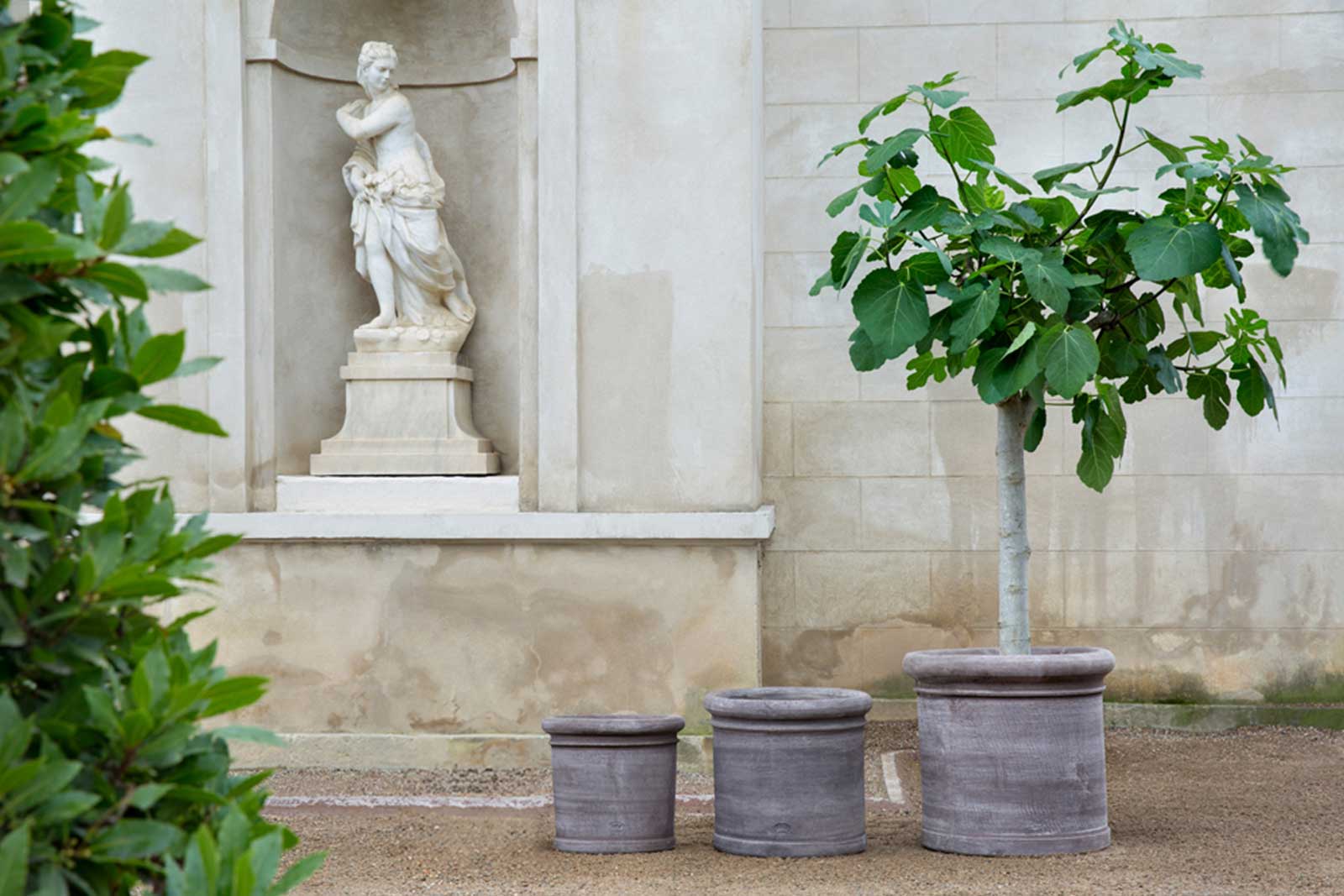
Cilindro
The Sturdy
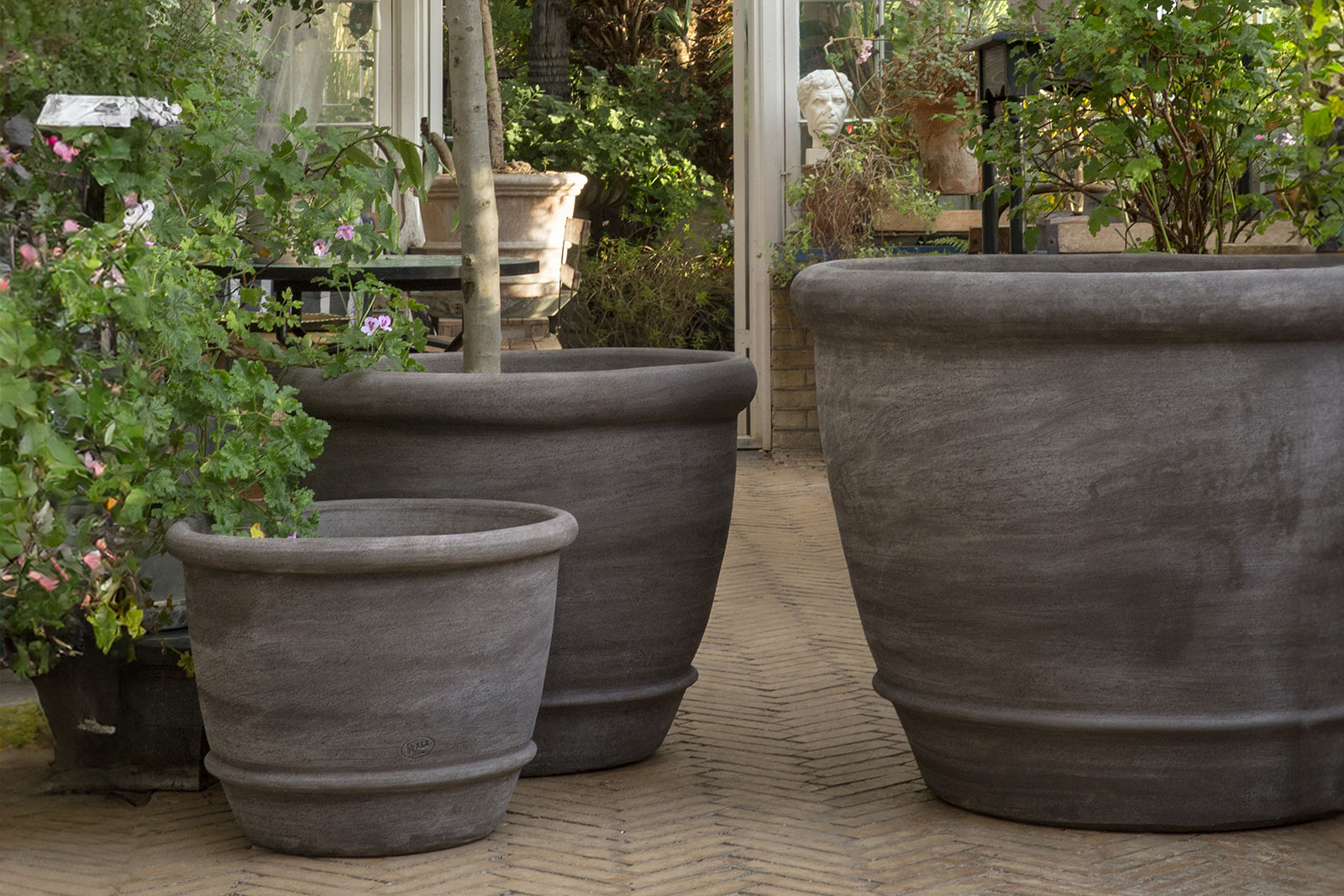
Campana
The Majestic

Large Københavner
The Castle Pot
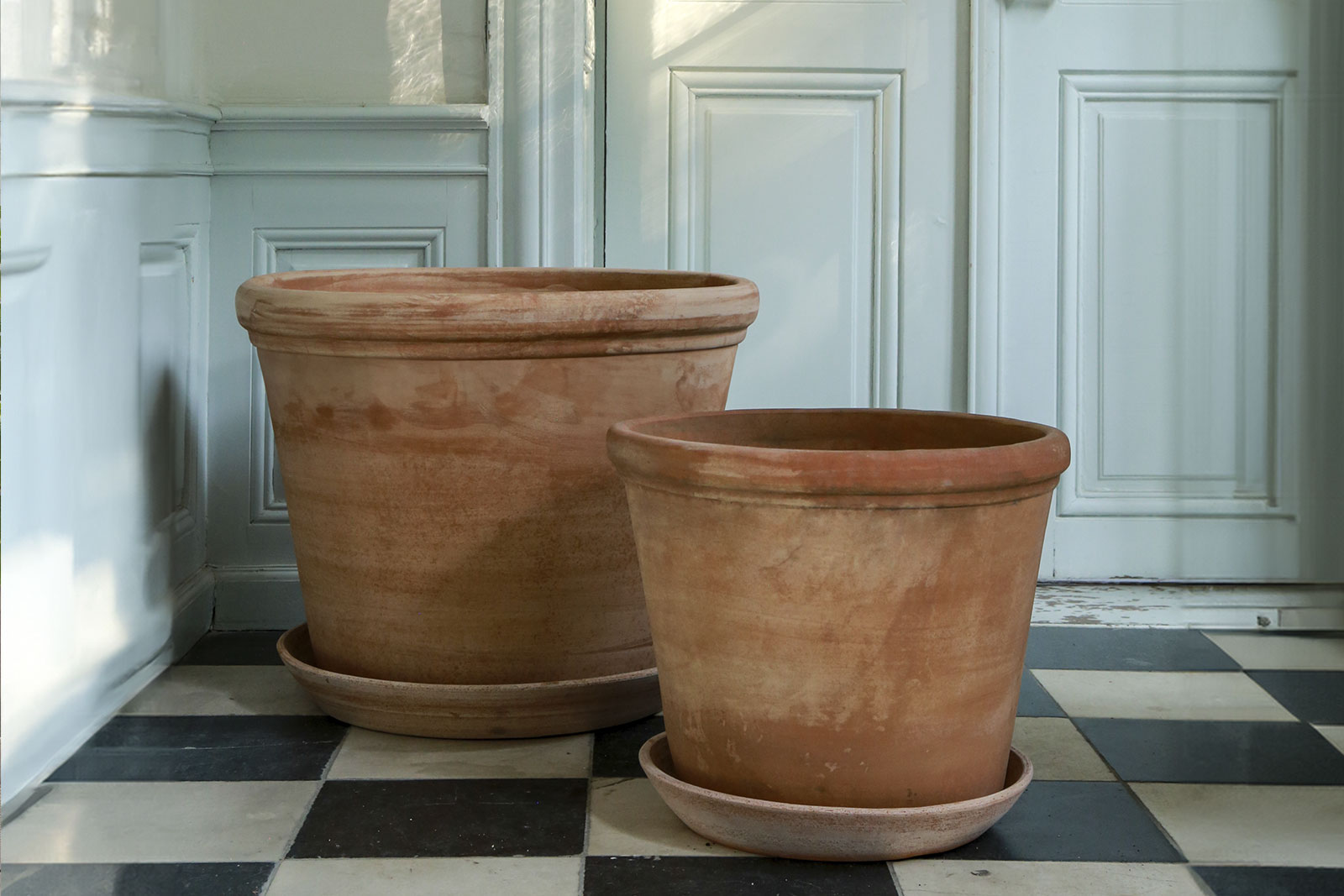
Large Flora
The Goddess
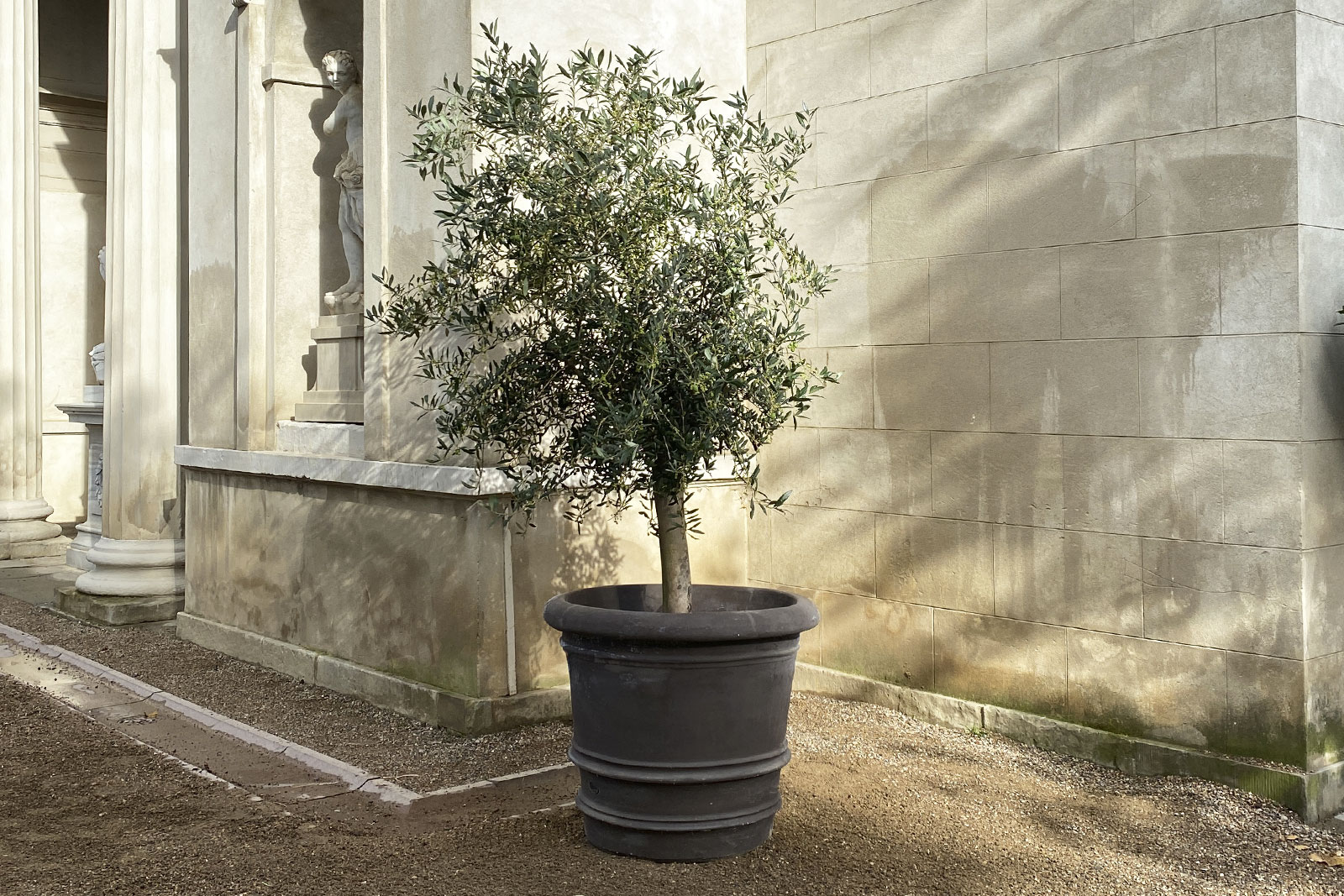
Lucca
Stamp of Quality

Piccolina
The Little One
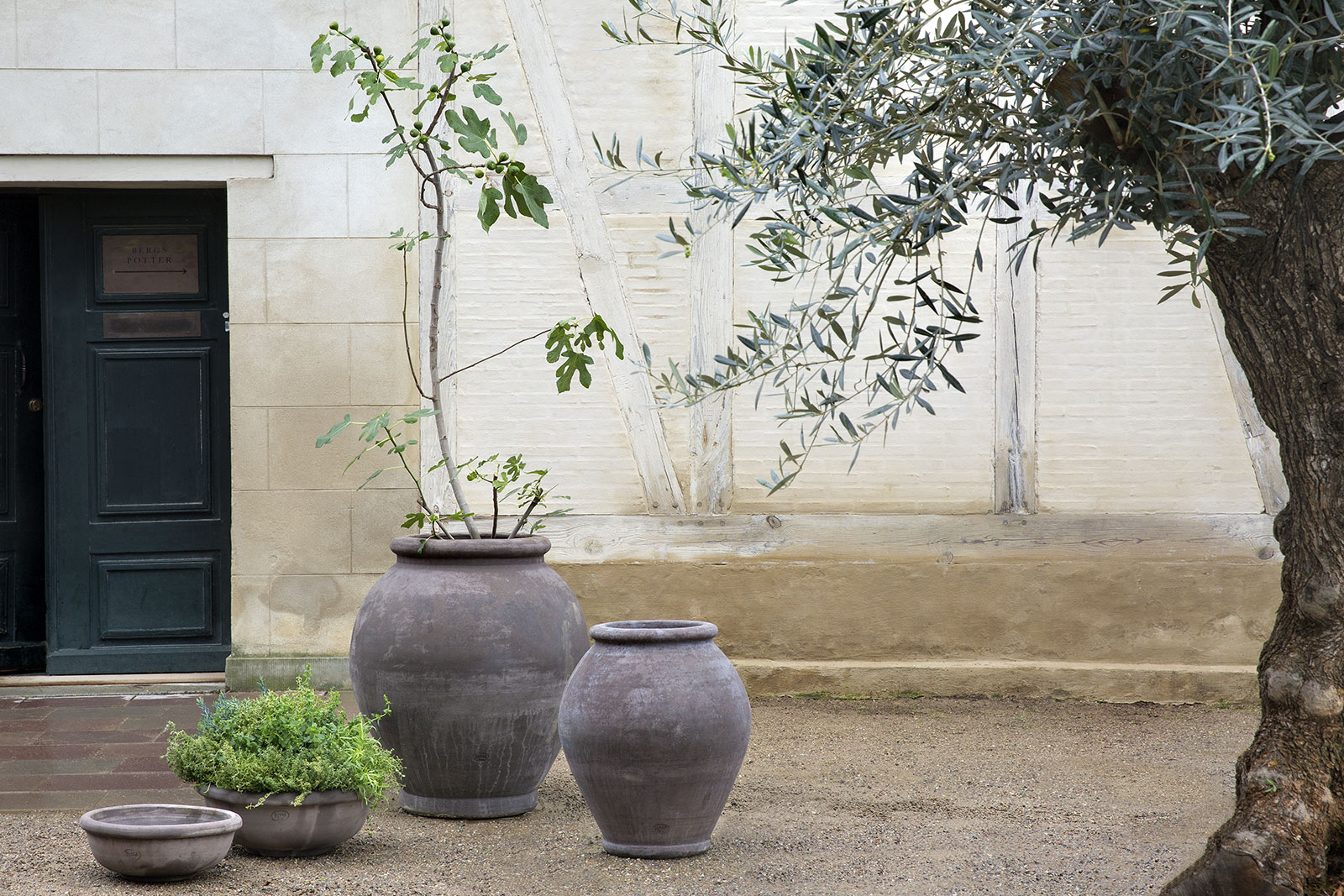
Olivia
Timeless Grace

Doma
A Home For Roots
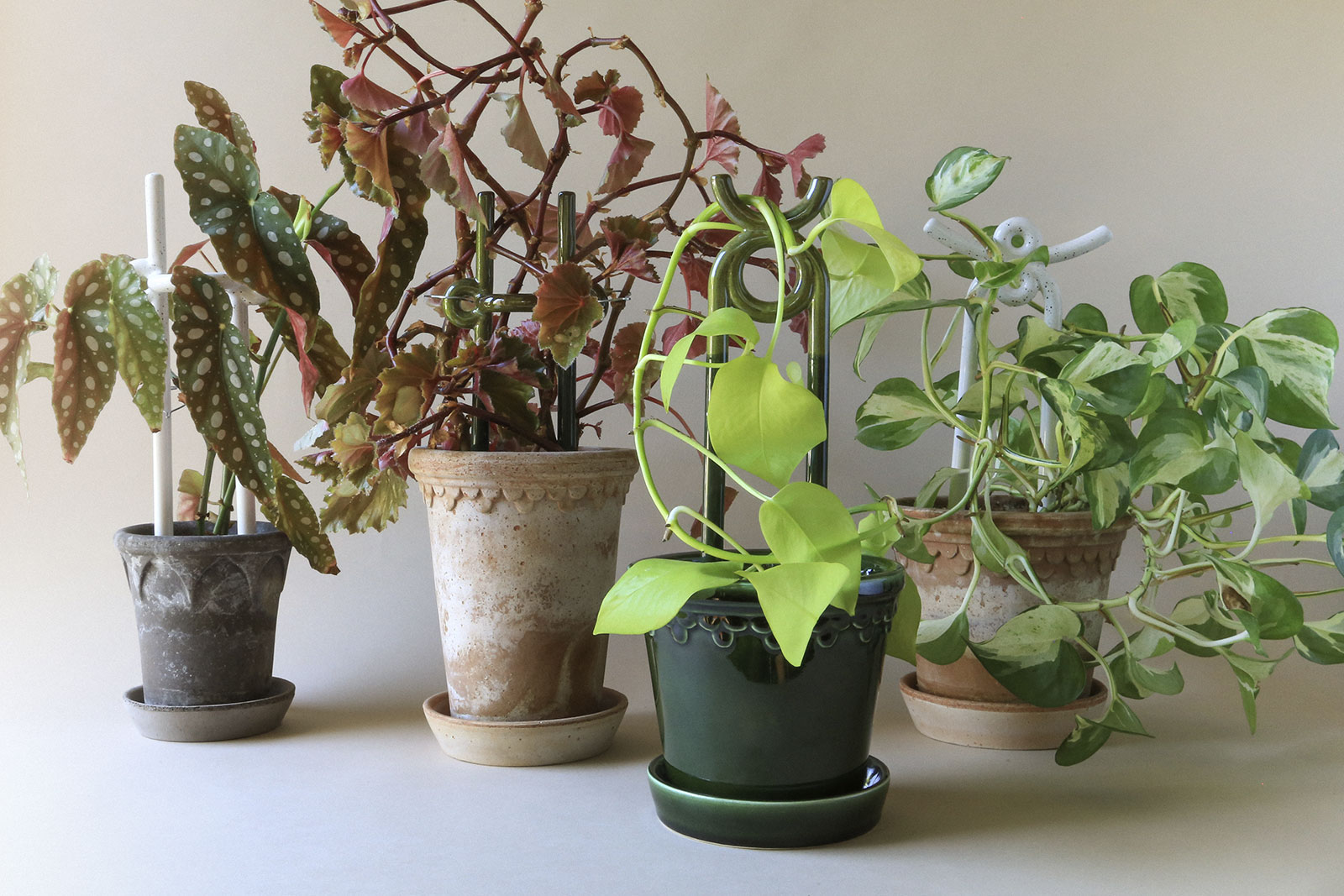
Folk
Guardians of Growth

Viva
The Life Vein
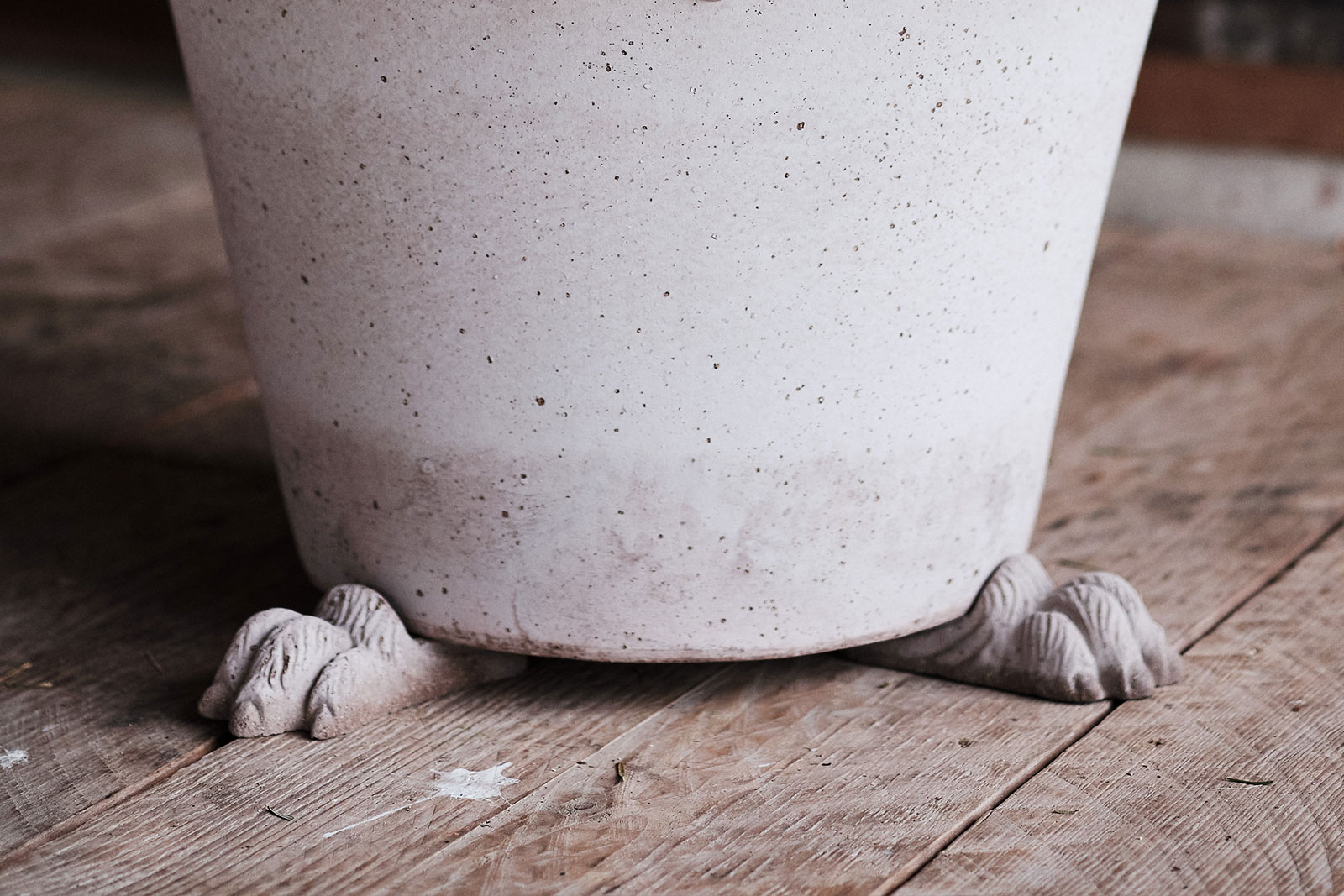
Pot Feet
The Proper Drainage
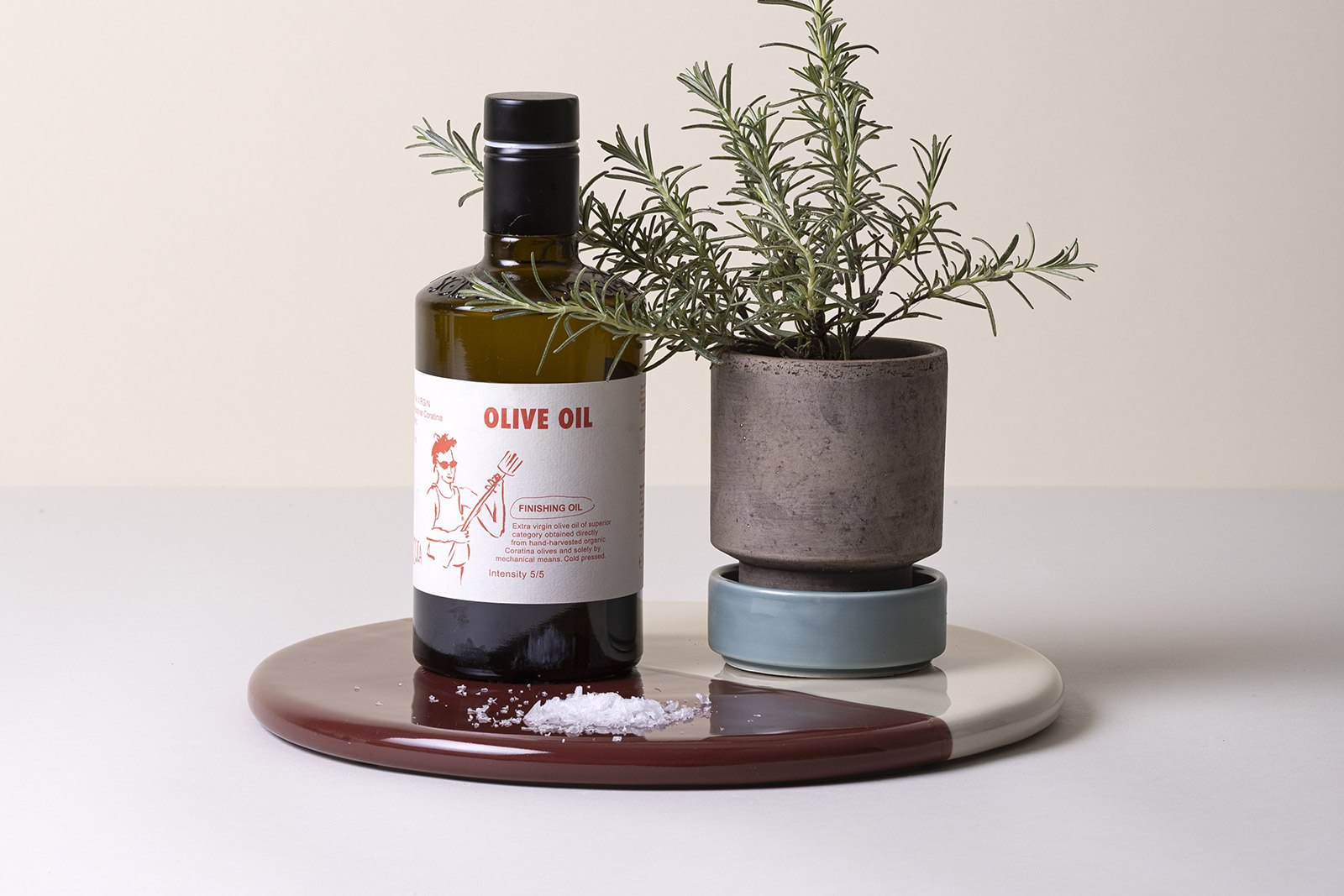
Nuna
Coasters of Care
Cove
The Water Cacti
Saucers
The Water Source
Belle
The Beautiful
Daisy Vase
Tall Elegance
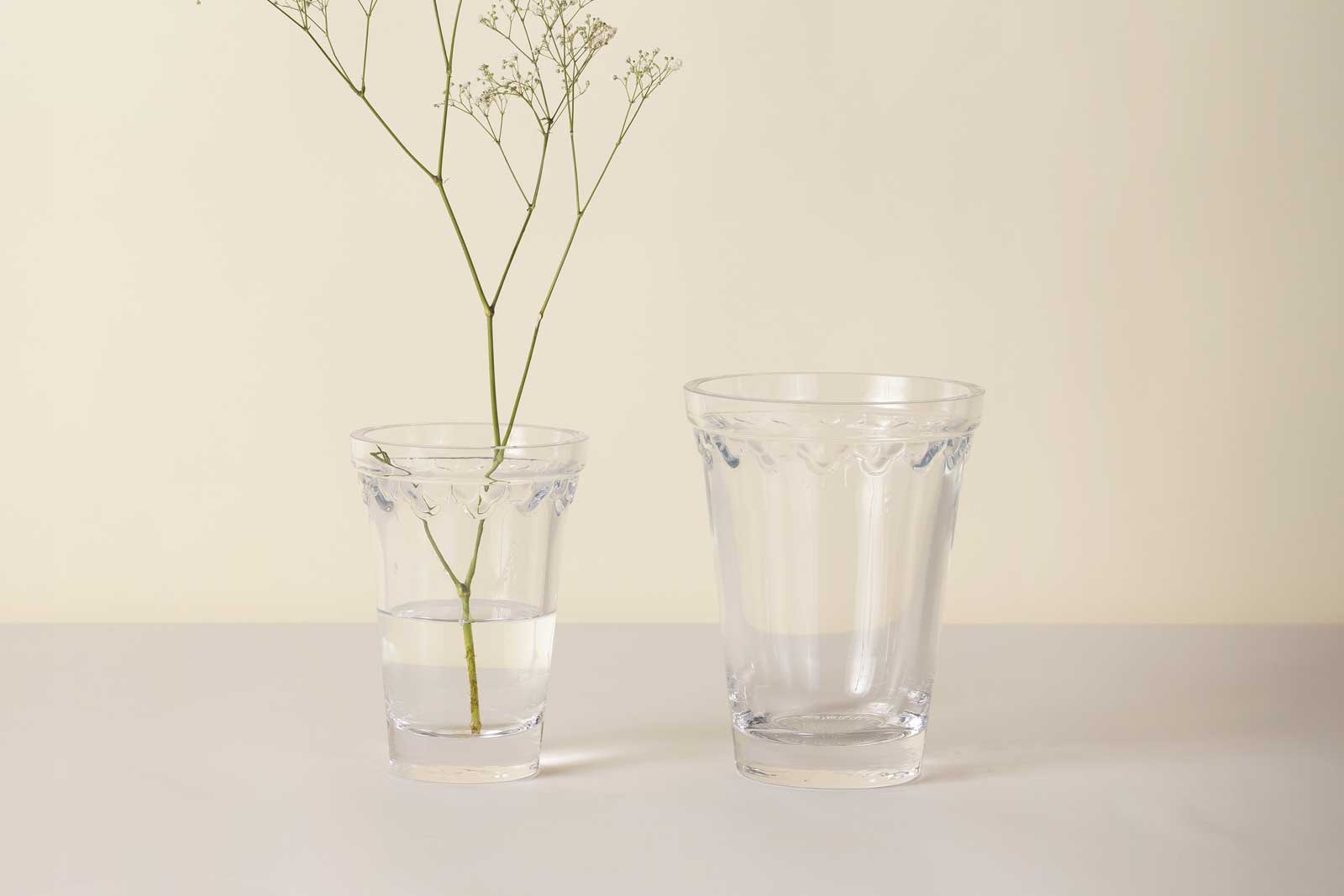
Københavner Vase
The Castle Vase
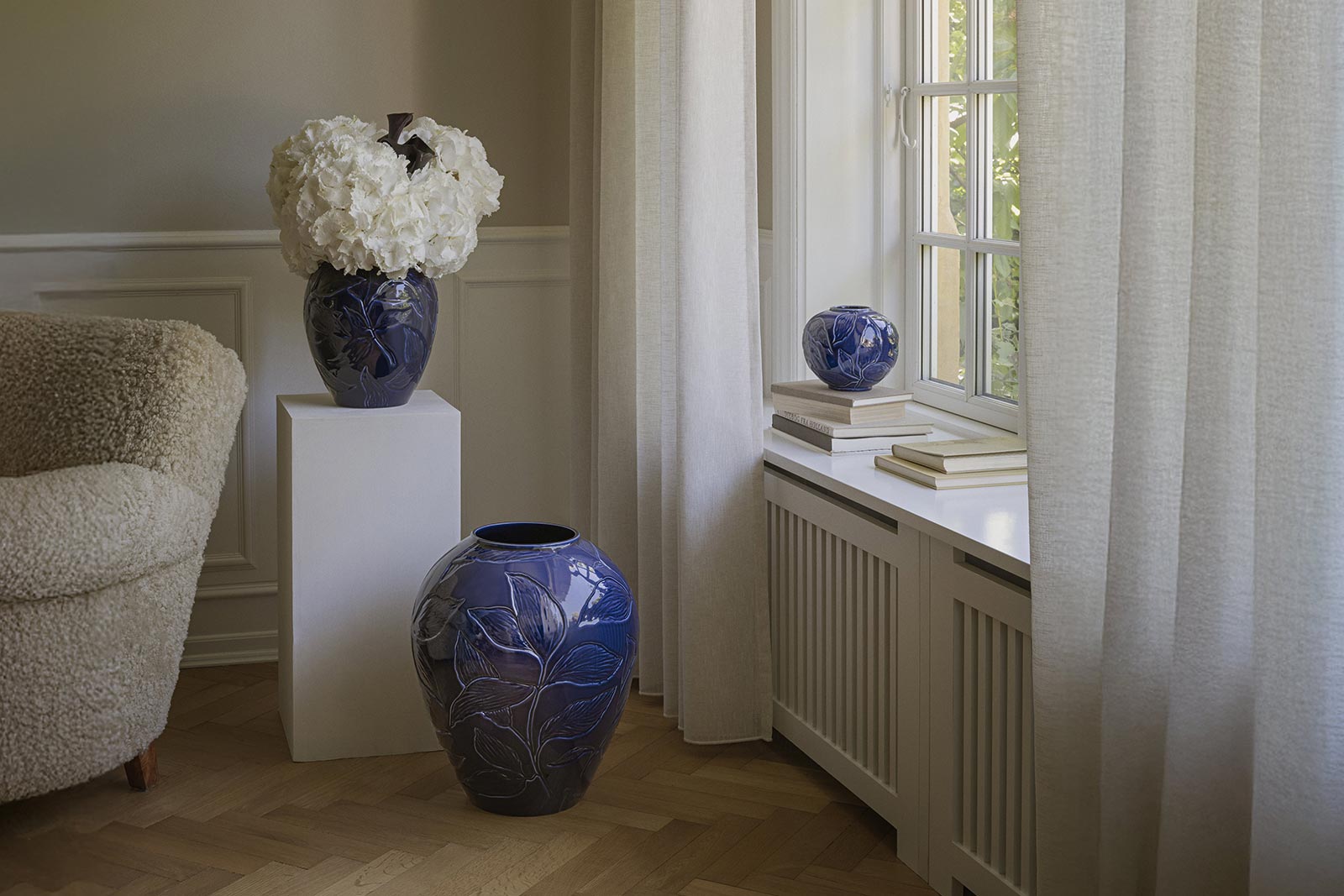
Florita
The Sculptured Leaf
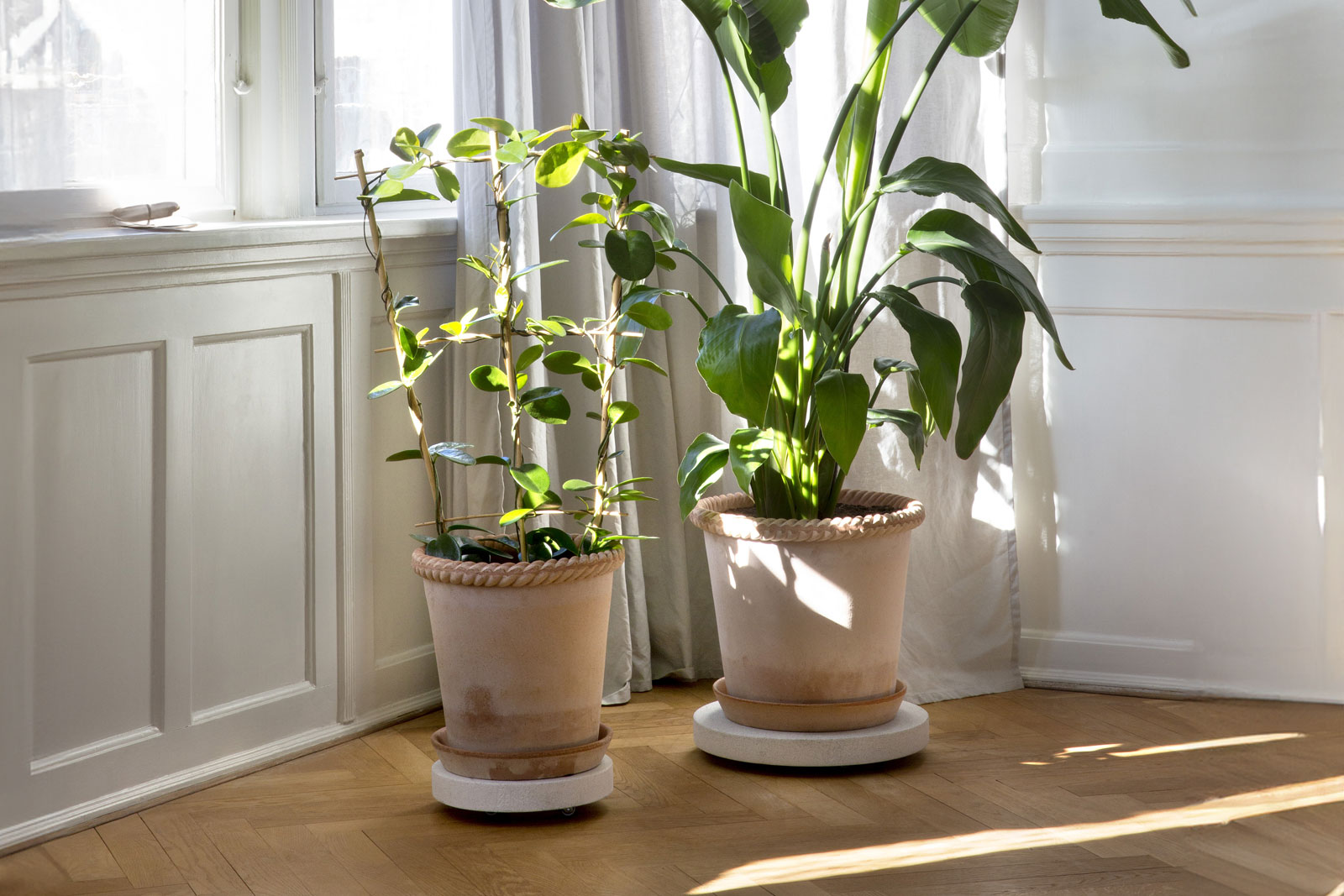
Emilia
— The Roman Rope —
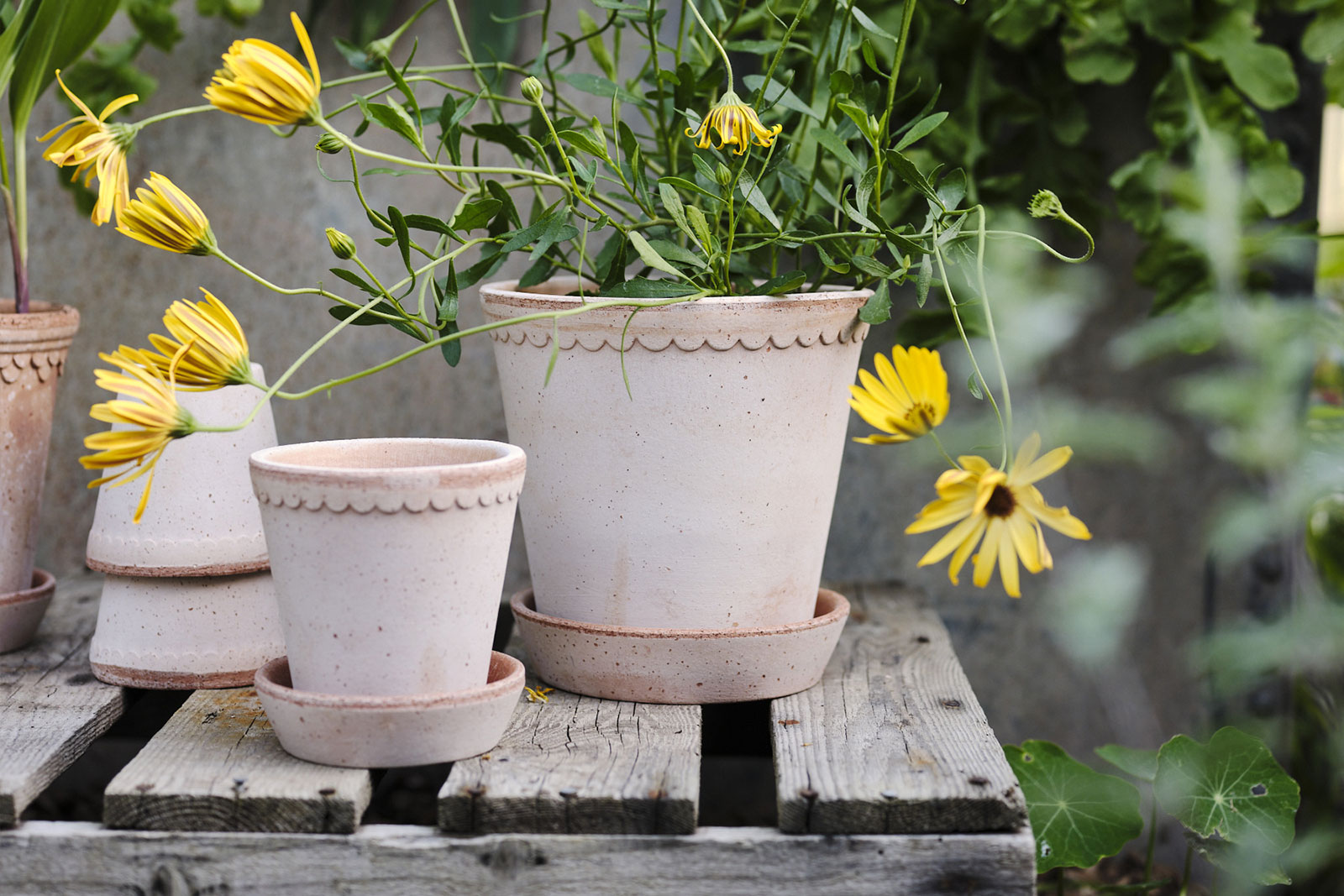
Helena
The Divine
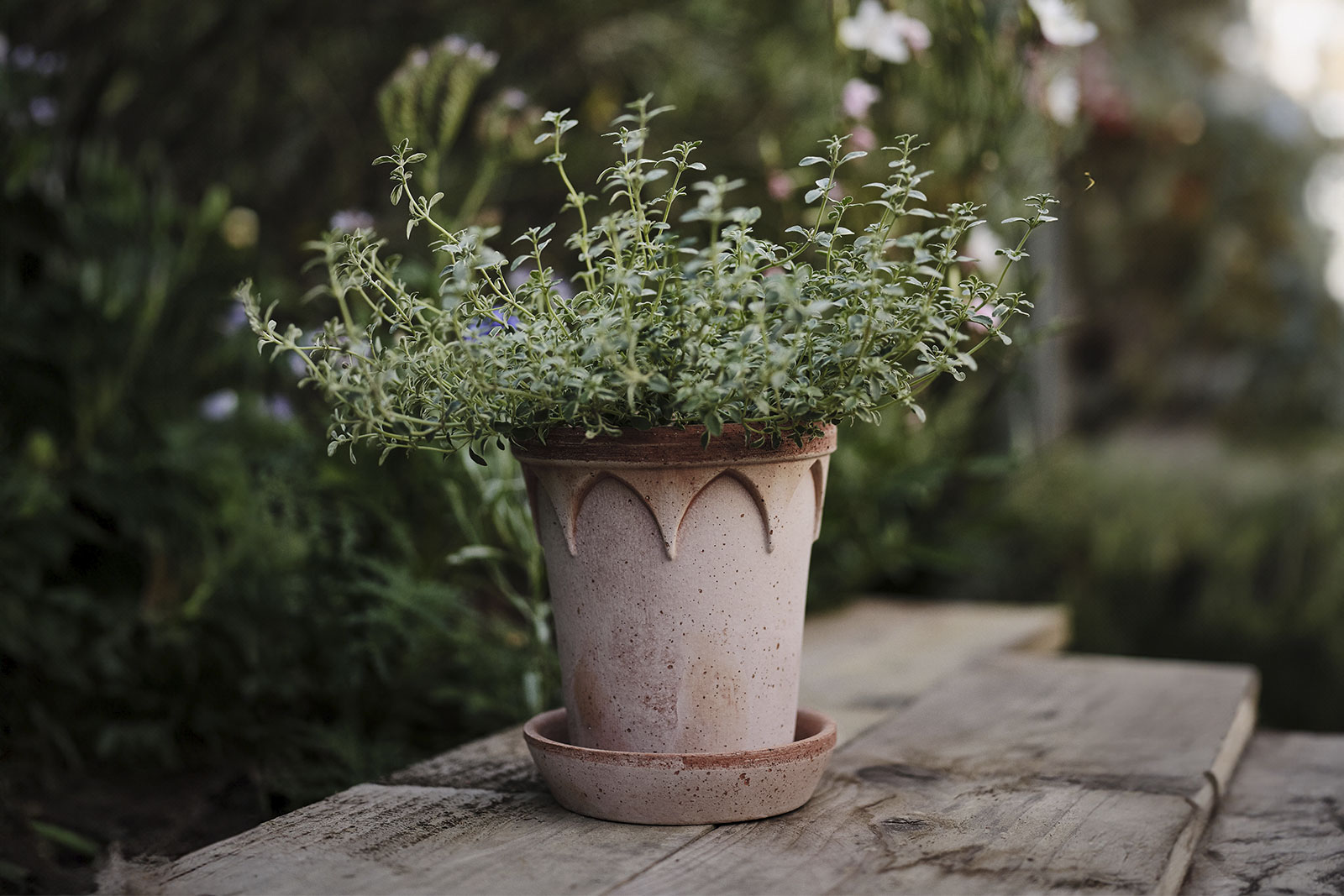
Elizabeth
The Everyday Queen
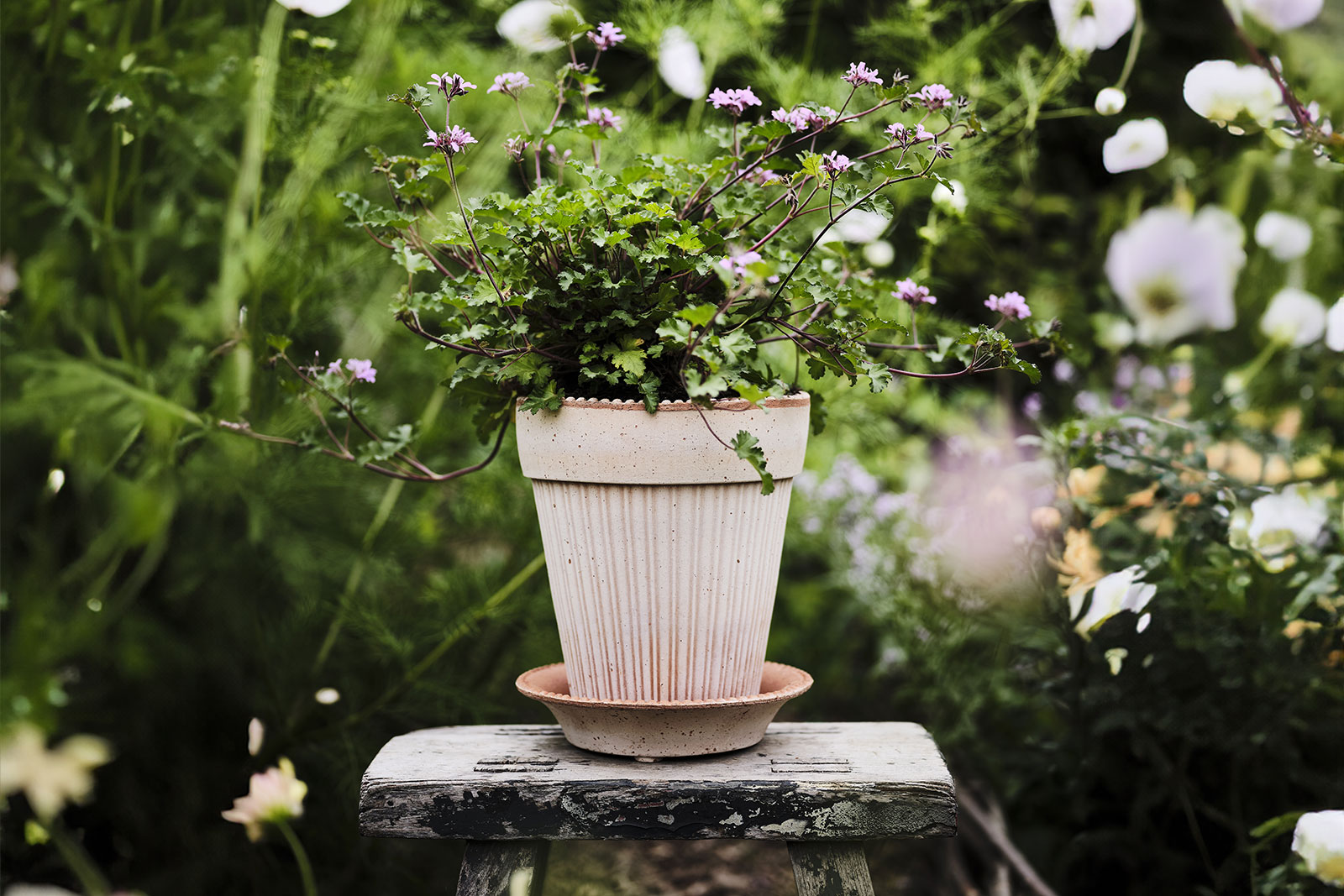
Simona
La Petite Française
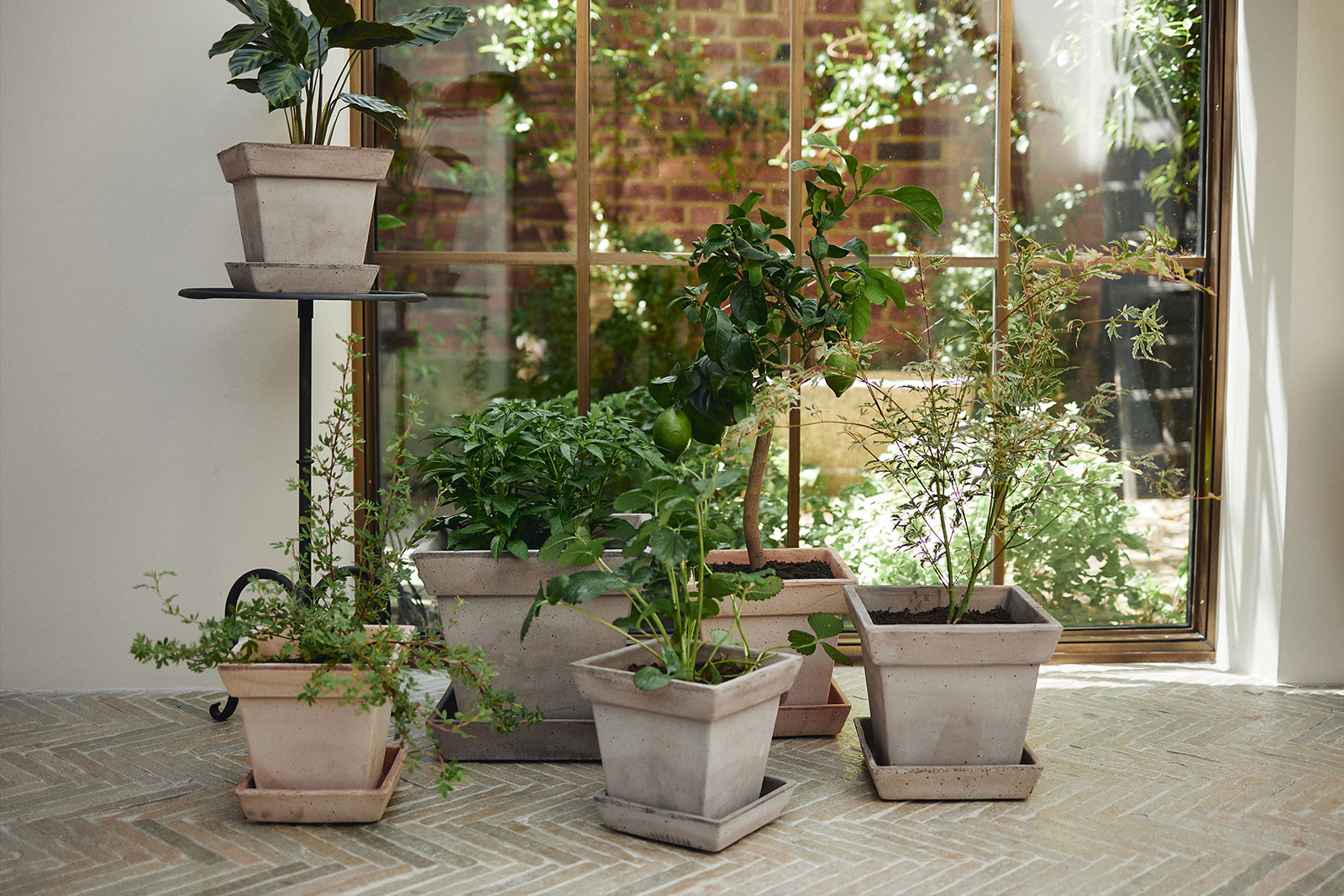
Gaia
— The Earthy —
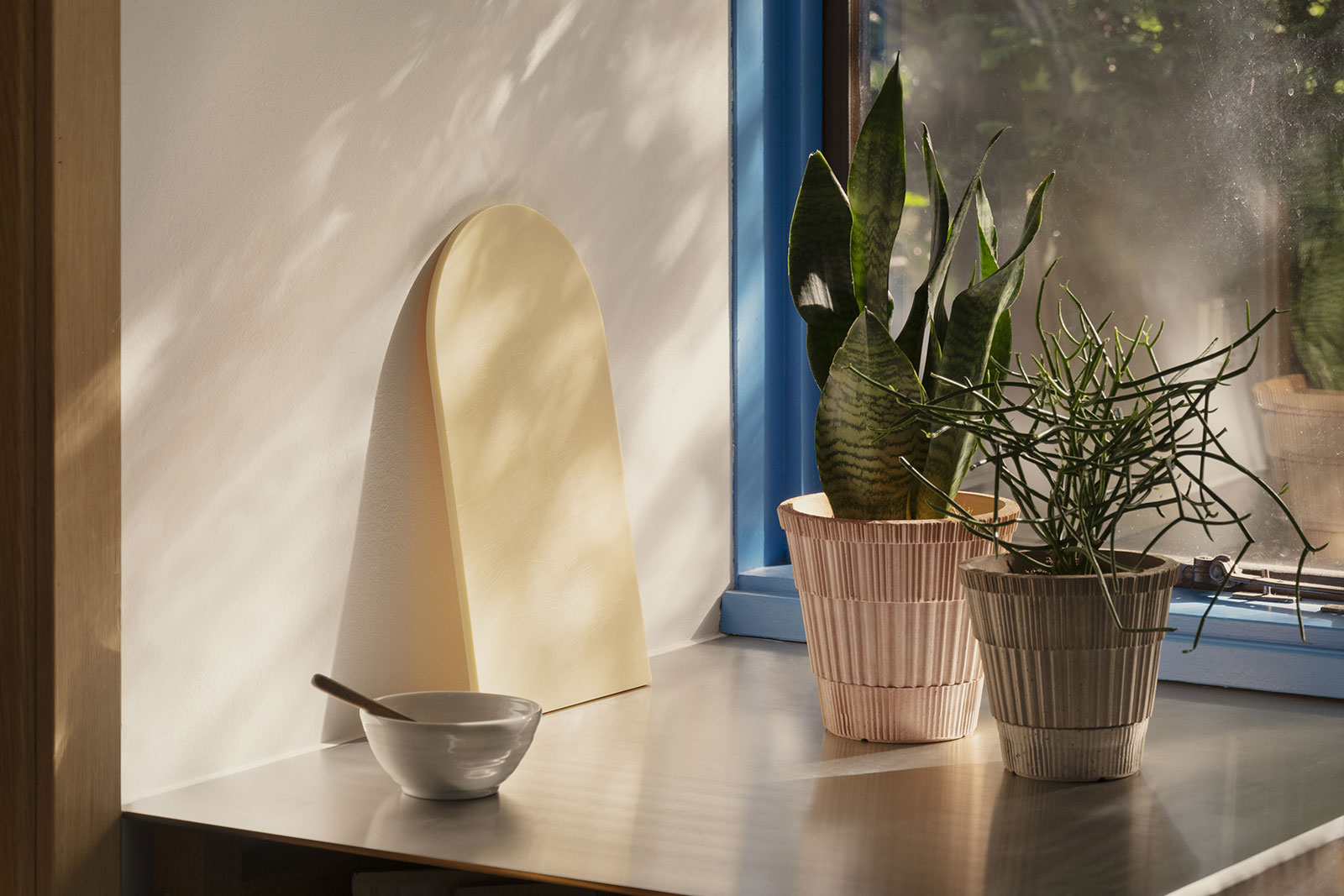
Atlas
The Enduring
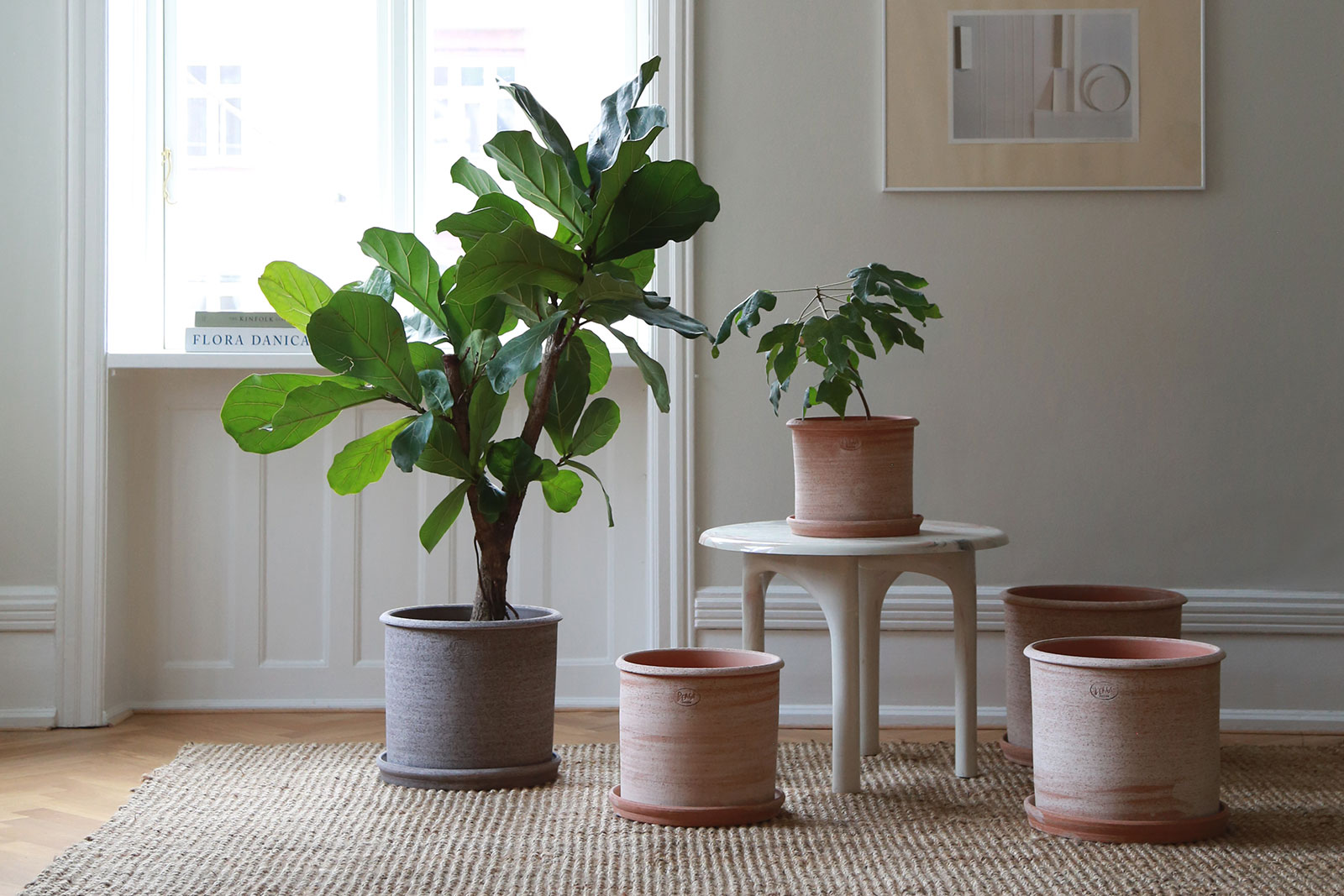
Modena
Stamped by Hand
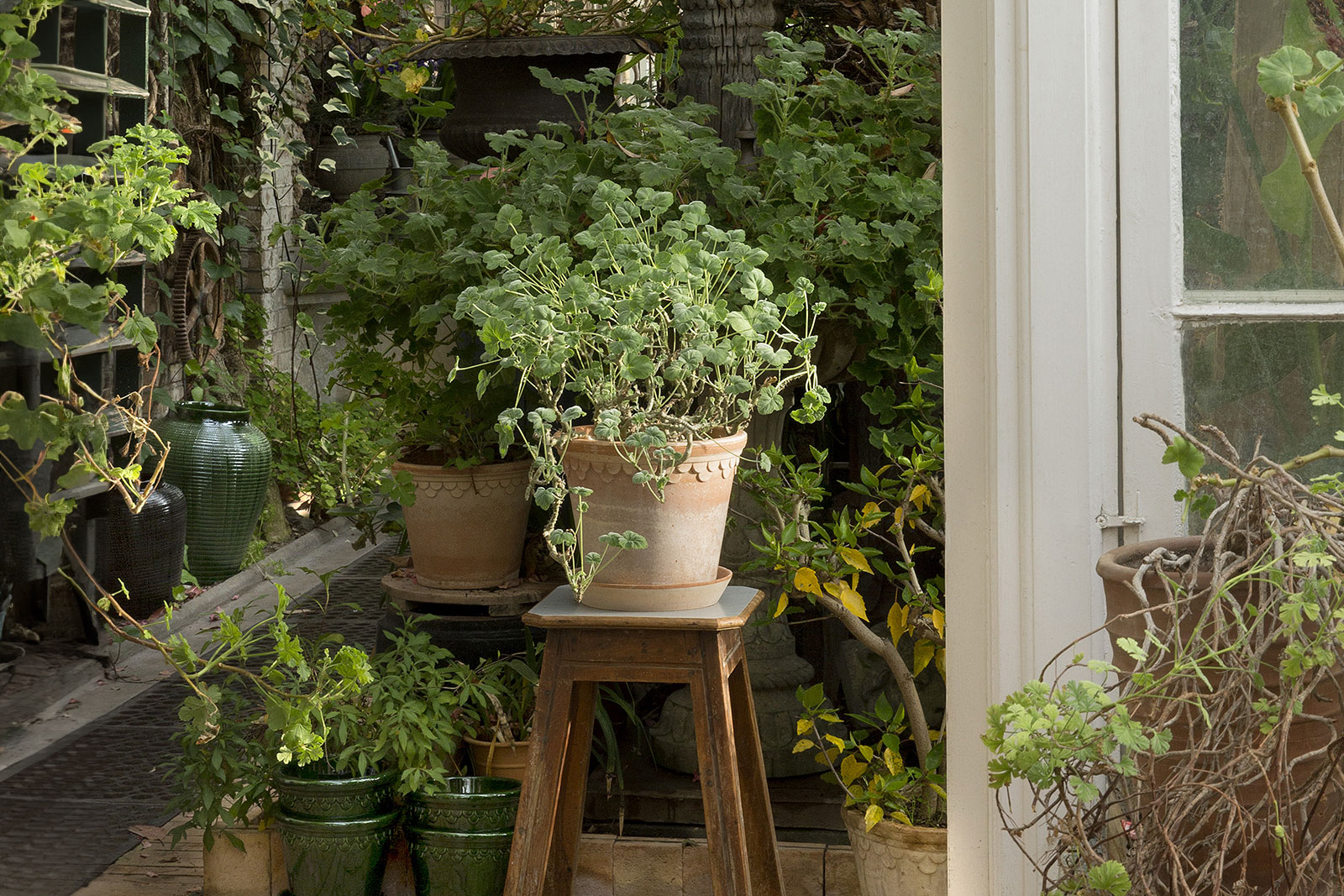
Københavner
The Castle Pot
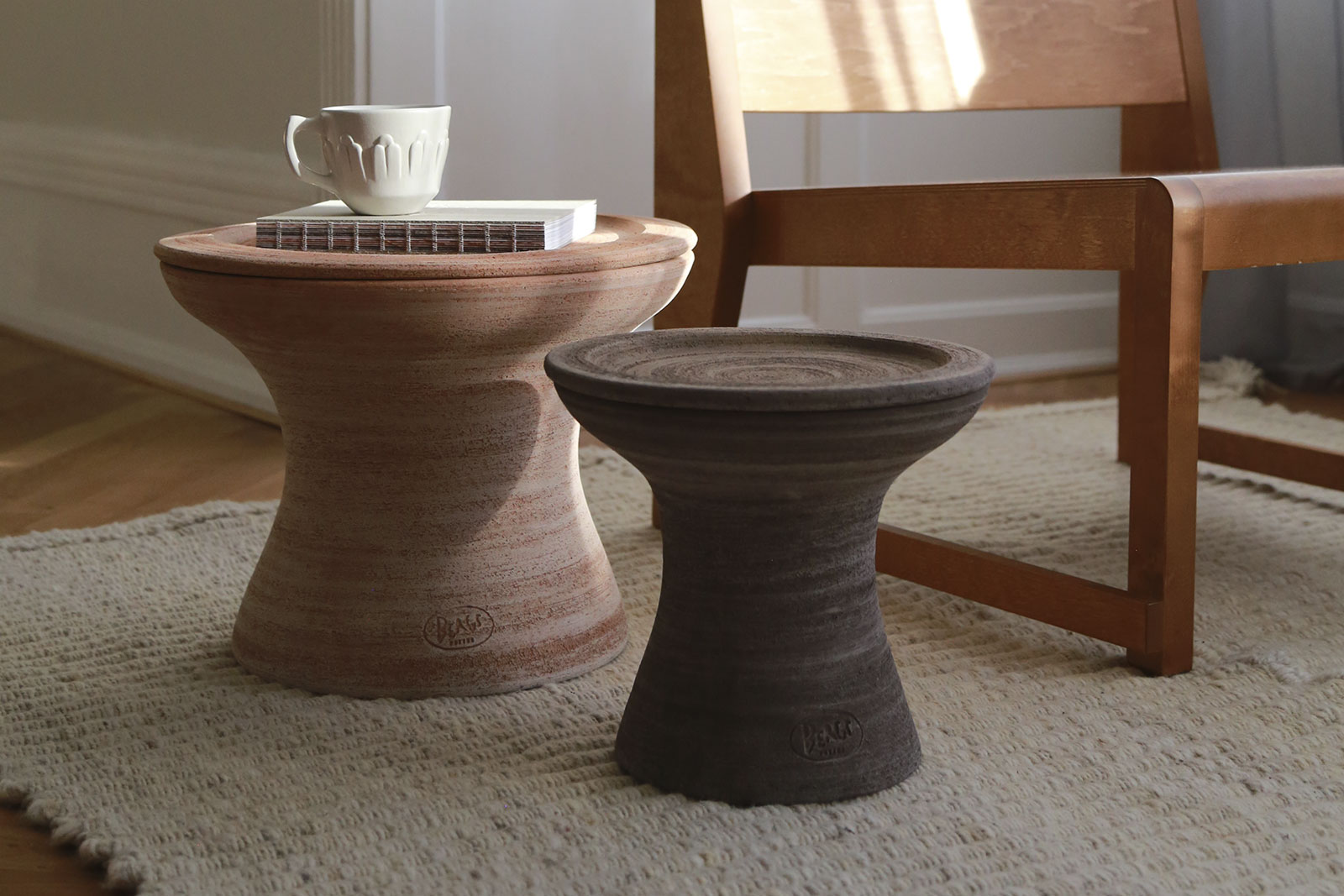
Celeste
The Heavenly
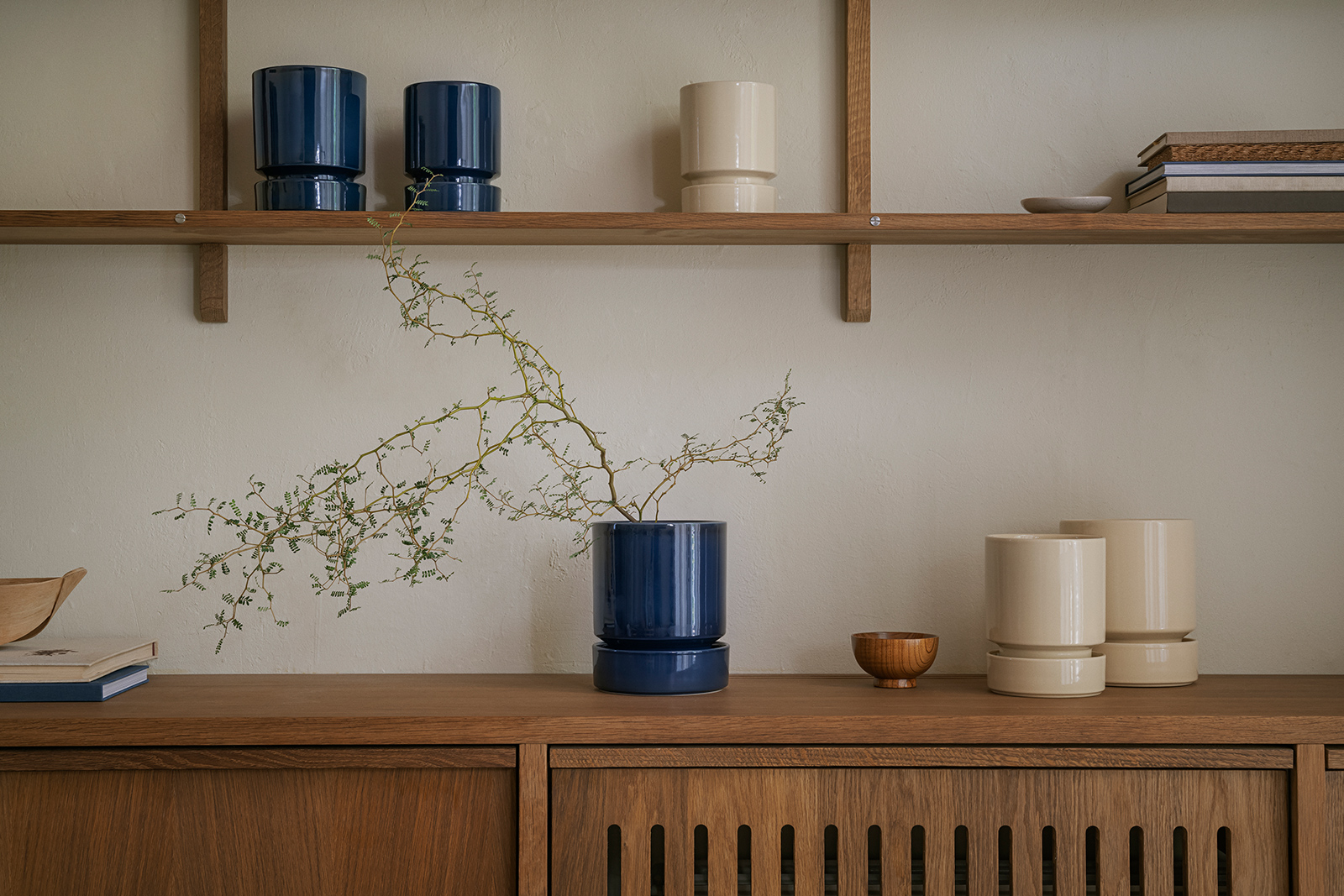
Hoff
Scandinavian Silhouettes
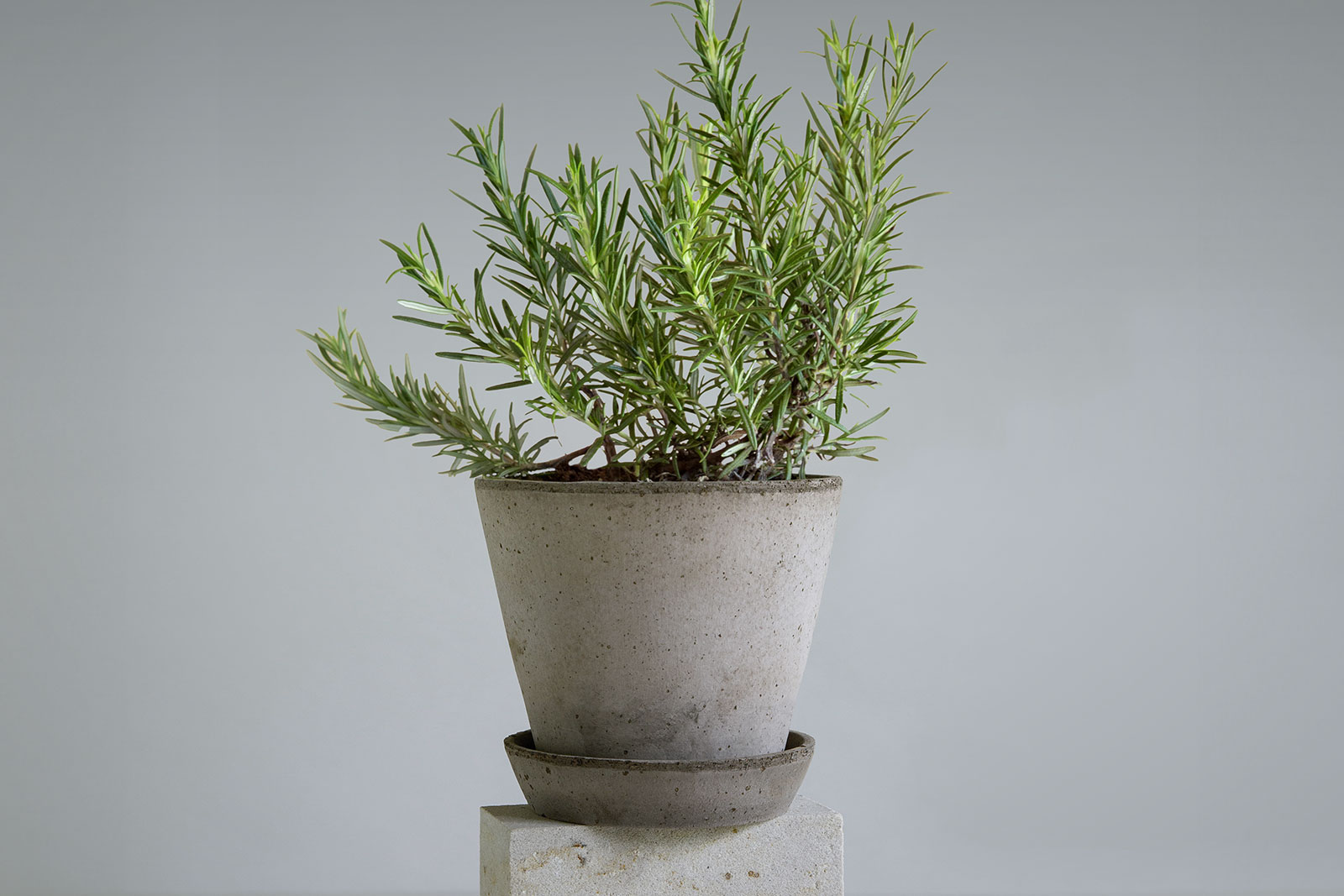
Julie
Less is More
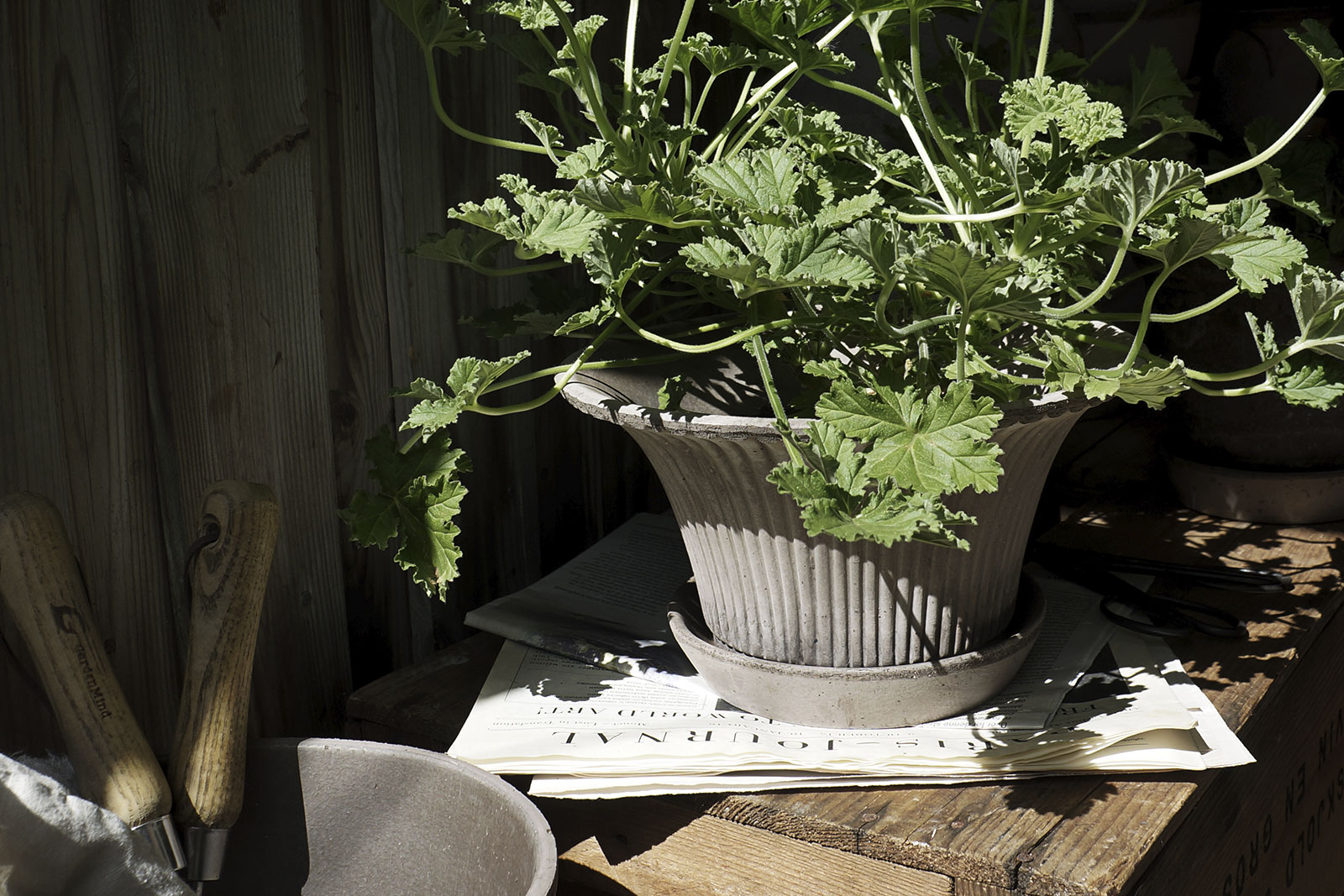
Daisy
The Noblesse
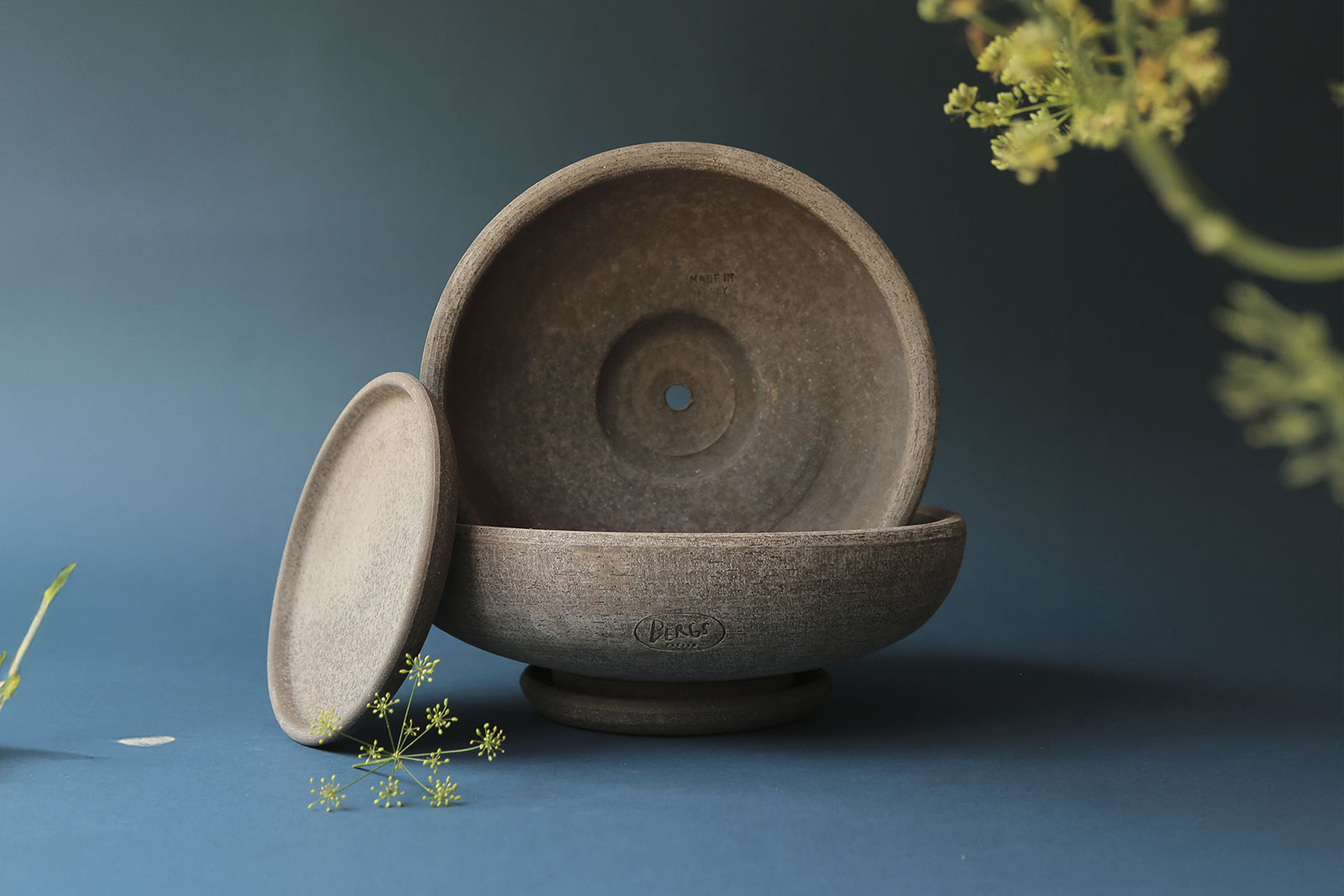
Ada
The Adorning
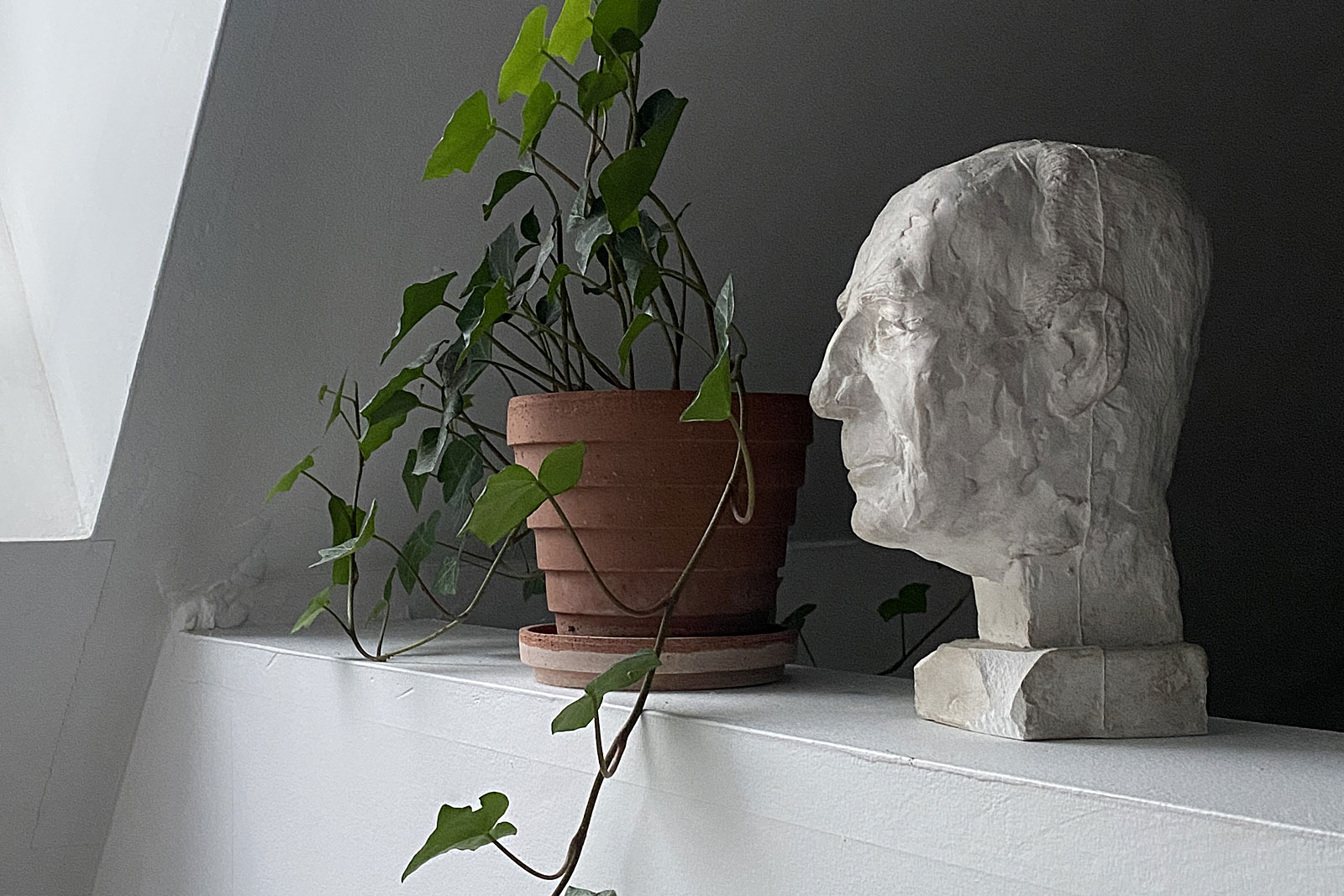
Planets
Stellar Structures

Pantheon
Dome of Grace
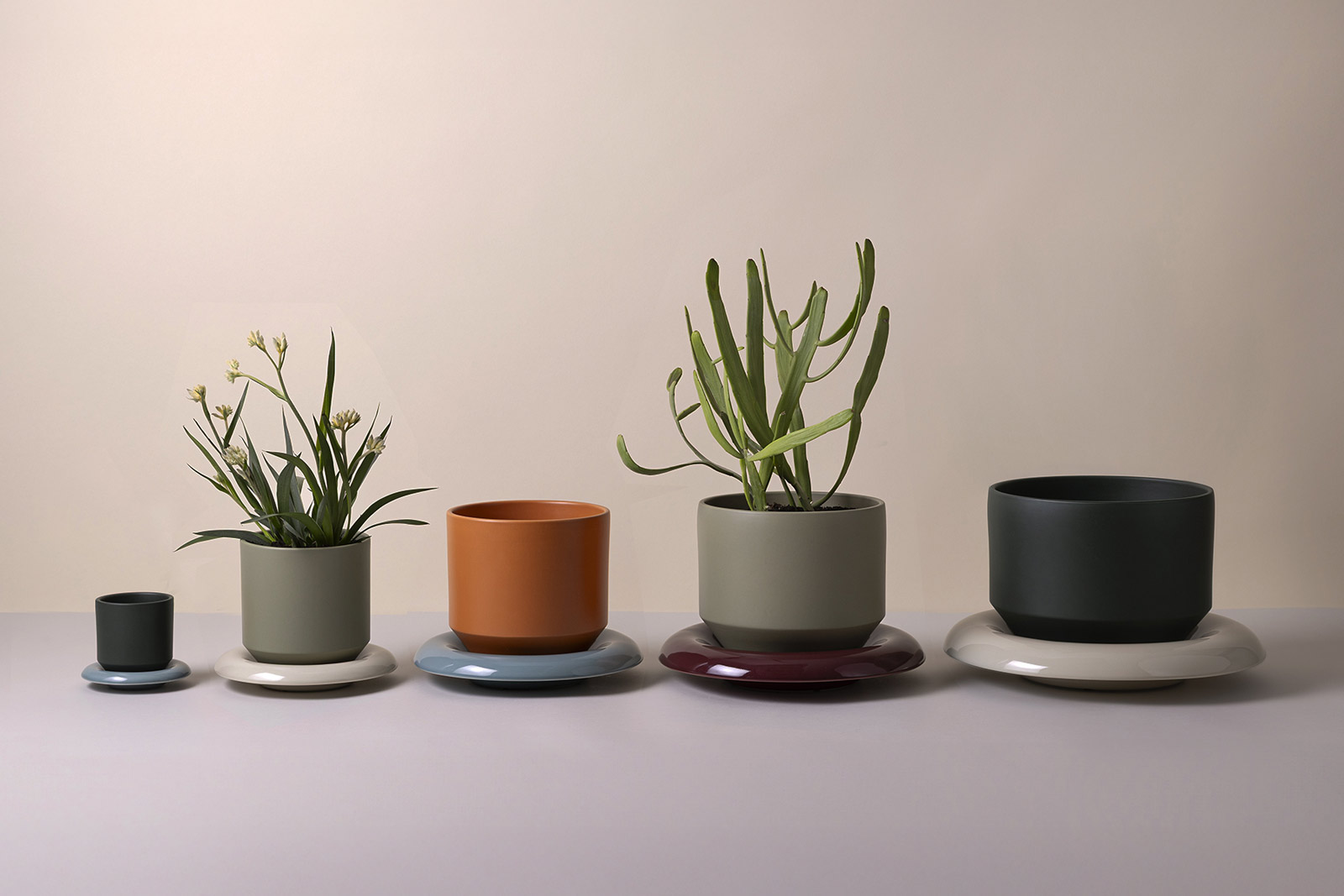
Lily
The Floating Flower

Delphi
The Mediterranean
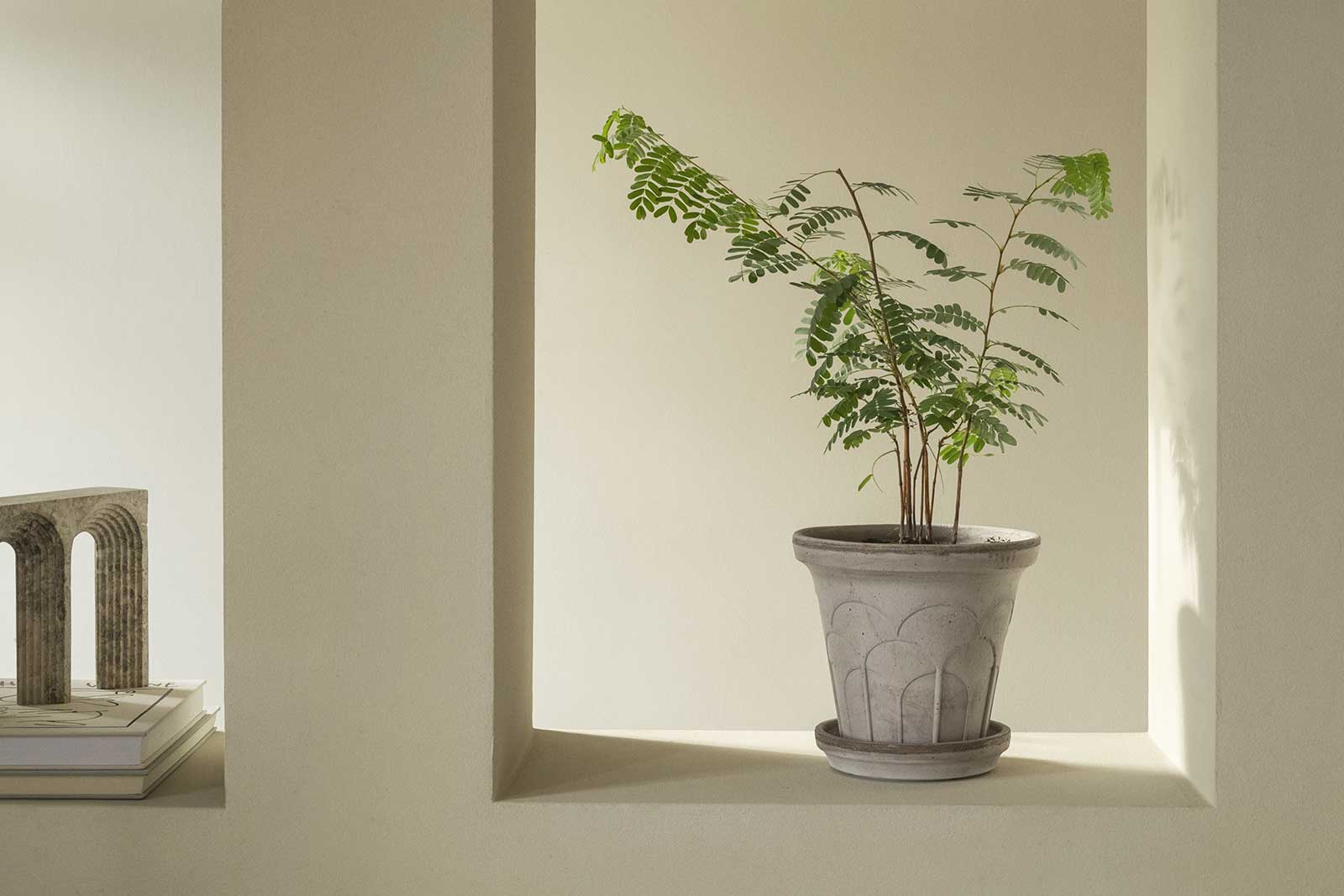
Fleur
The Blooming Arch