 https://bergspotter.com/wp-content/uploads/2025/06/anna_kubel_featured-1.jpg
1262
1900
Frederik
https://bergspotter.com/wp-content/uploads/2024/03/bergs_potter_logo_dark.svg
Frederik2025-06-25 14:12:062026-06-15 12:42:06A Postcard From: @annakubel
https://bergspotter.com/wp-content/uploads/2025/06/anna_kubel_featured-1.jpg
1262
1900
Frederik
https://bergspotter.com/wp-content/uploads/2024/03/bergs_potter_logo_dark.svg
Frederik2025-06-25 14:12:062026-06-15 12:42:06A Postcard From: @annakubelThe Florita series, a stunning collection of vases and a decorative platter. Created by Anders Forup, the Danish designer and owner of the renowned jewellery brand Handcrafted CPH, this series pays homage to the rich tradition of Danish ceramic art while infusing it with a modern sensibility. We had the pleasure of sitting down with Anders to discuss his inspirations, the design process, and the timeless appeal of the Florita series.
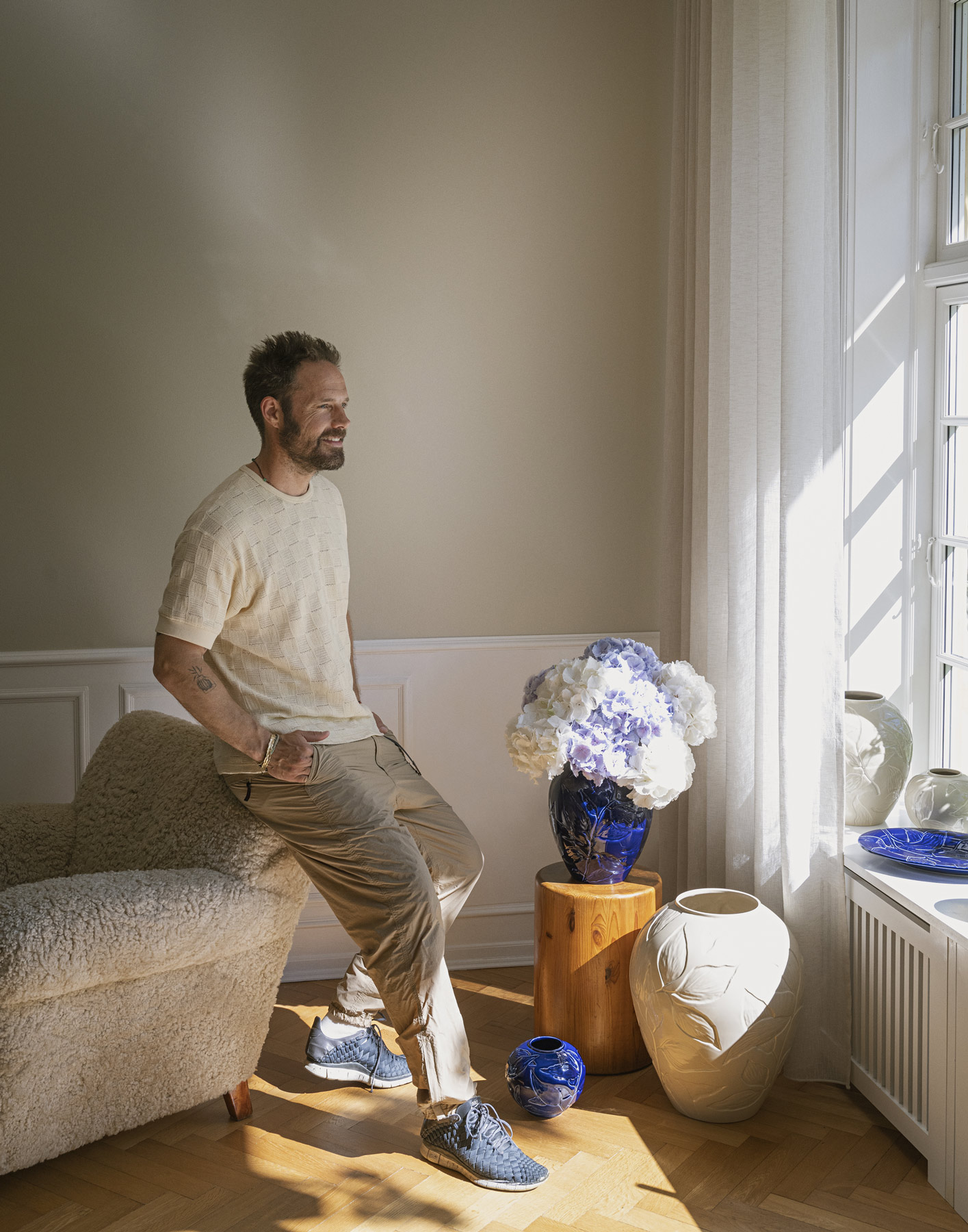
Anders Forup in his home with Florita.
Anders, what was your primary inspiration for creating this series of vases and a large plate?
The inspiration for the Florita series came from my deep love for historical Danish ceramics. I’ve always been fascinated by the craftsmanship and the stories embedded in each piece. Specifically, the forms in this series were inspired by an unfinished, unglazed relief vase. I wanted to create something that not only brings a piece of the outdoors inside but also serves as a showpiece in its own right — something that holds value whether it’s being used functionally or simply as an object of beauty.
What makes this design timeless, and how does it relate to contemporary design trends?
For me, timeless design is about creating something that transcends trends and fits naturally into any home, whether it’s modern or traditional. The forms I’ve selected, like the classic amphora shape of the vases, are universally recognisable — almost as if drawn by a child. This inherent simplicity, paired with textured surfaces, allows the pieces to adapt beautifully to both masculine and feminine settings. It’s this careful balance of form and texture that makes the designs versatile and enduring.
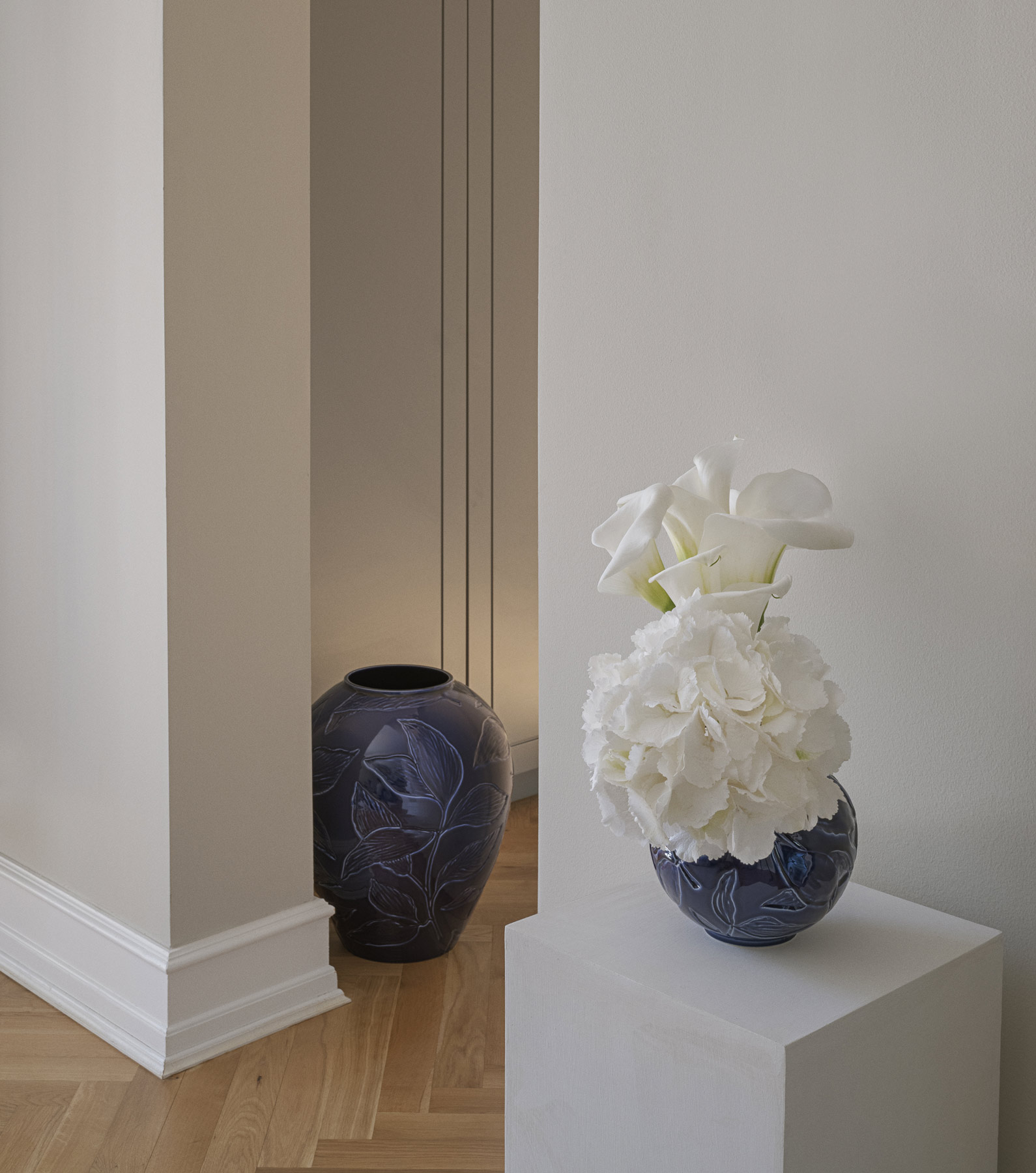
The Agate Blue Florita Floor Vase & Small Vase
The maker’s touch is evident in the final creation.
Anders Forup
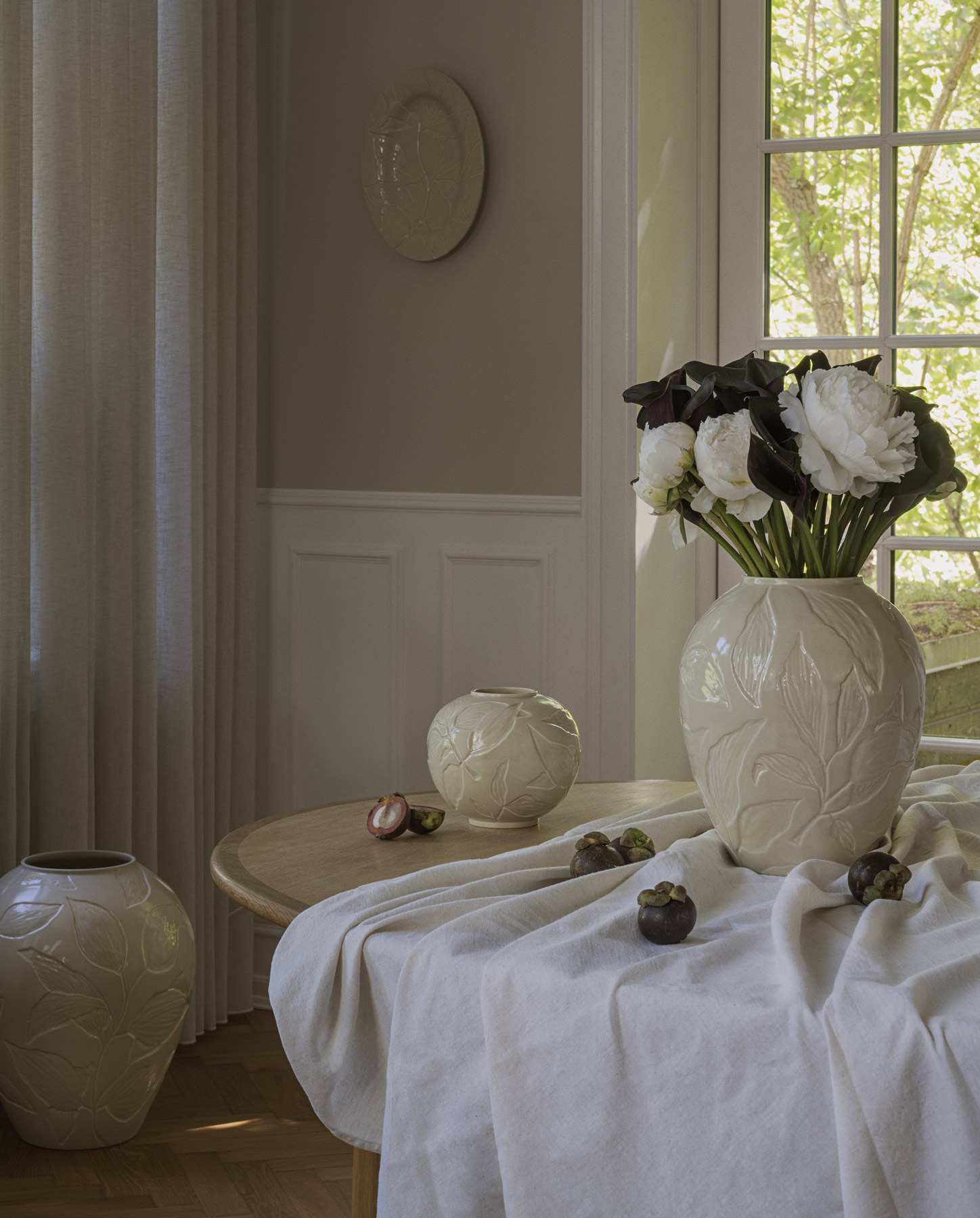
The Florita Family in Sandstone
The Florita series includes a small round vase, a medium vase, a floor vase, and a platter. Could you elaborate on the design and function of these pieces?
Each piece in the Florita series is designed to stand alone as a work of art while also serving a functional purpose. The small round vase has a thick, rounded body that makes it a statement piece on its own. Its shape also enhances the arrangement of flowers, giving bouquets a striking silhouette. The floor vase is a showpiece—perfect for pampas grass or even as a stylish holder for umbrellas. The platter, on the other hand, is multifunctional. It’s food-safe and perfect for serving, but it’s also designed to be hung on the wall as a decorative object. I’ve added small holes on the back to make this possible.
Can you tell us about the relief patterns that adorn these products? Do they have any special meaning or history?
The relief patterns are abstract interpretations of leaves. I wanted to create something that felt organic and connected to nature, yet modern enough to appeal to a wide audience. These patterns don’t have a specific story behind them, but they are intended to evoke a sense of natural beauty in a way that feels both familiar and fresh.
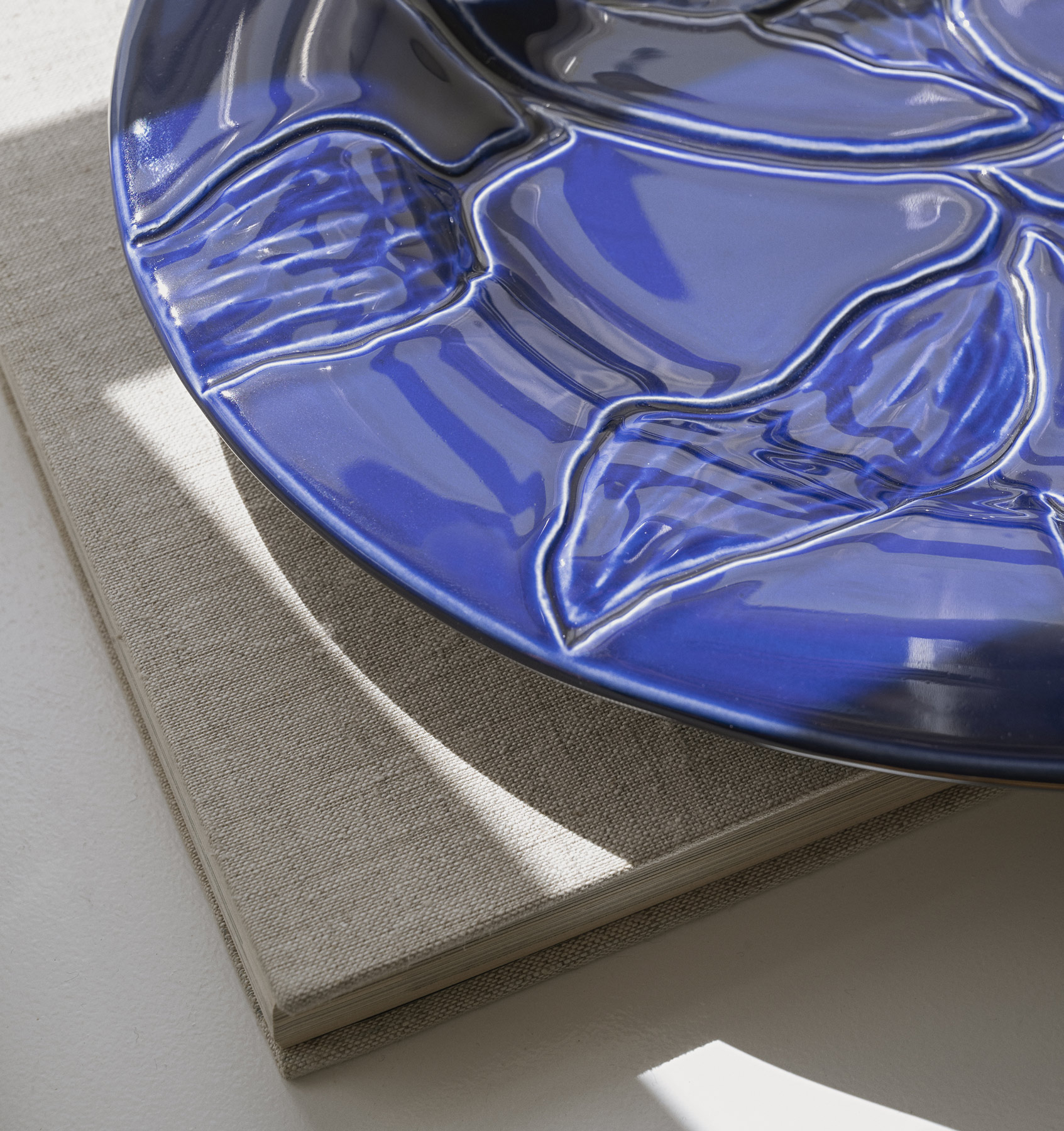
A leaf study.
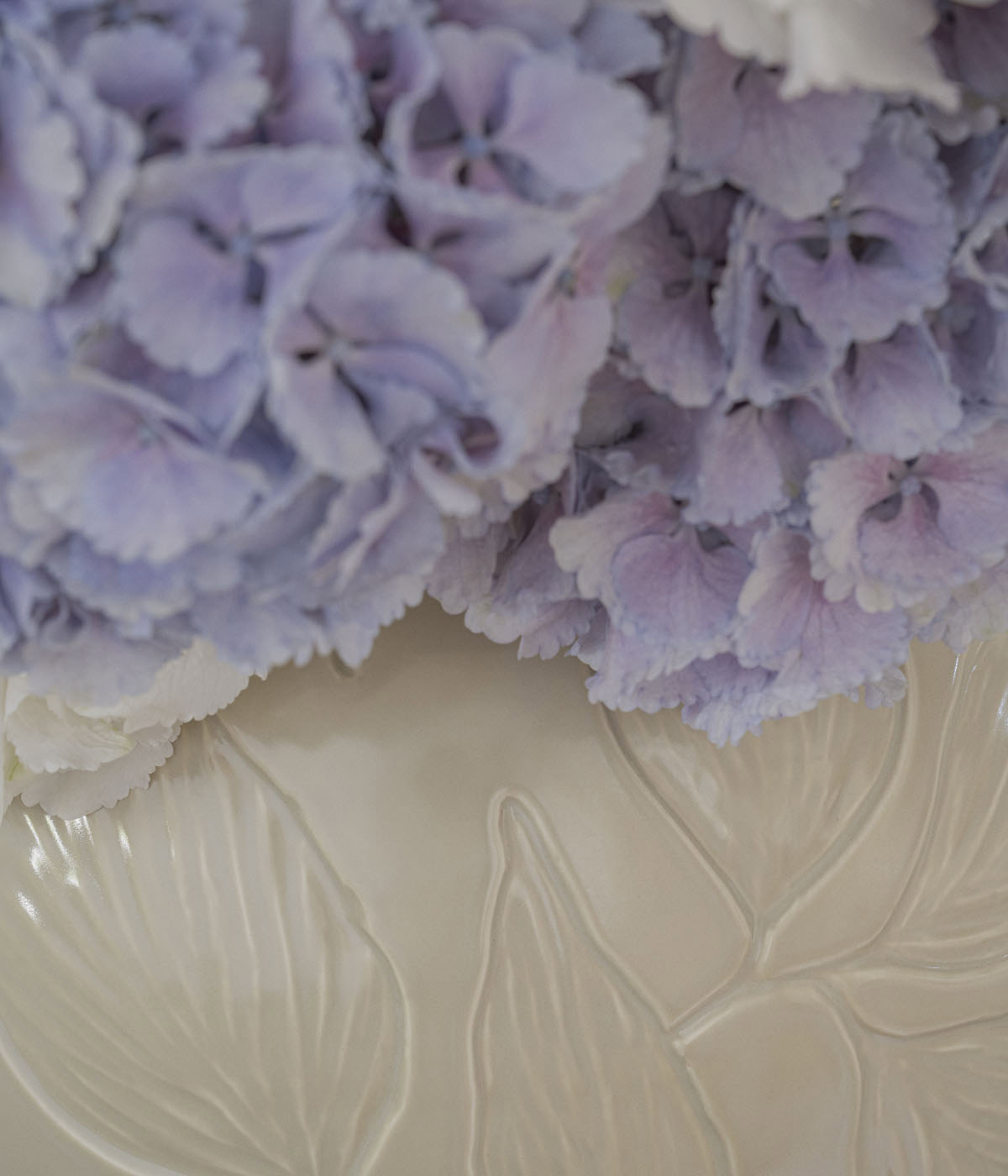
The interplay of nature and interpretation.
What does the name “Florita” mean, and how does it capture the essence of the series?
The name Florita holds personal significance, as it was inspired by my co-designer’s grandmother, whose name was Florita. While the name isn’t directly derived from Latin, it carries a poetic connection to “flora,” the Latin word for flowers, evoking images of nature and growth. It embodies a sense of elegance and timelessness, much like the pieces in the series. Florita suggests something that is both classic and vibrant, full of life.
How do you envision these products being used in both modern and traditional homes?
The beauty of the Florita series is its versatility. The pieces are designed to be as functional as they are decorative. For example, the dish can be used to serve fruit or salads, but it also works as a piece of wall art. The small round vase is perfect for any spot in the home, and it doesn’t necessarily need flowers to make an impact. I see these pieces fitting effortlessly into a wide range of interiors.
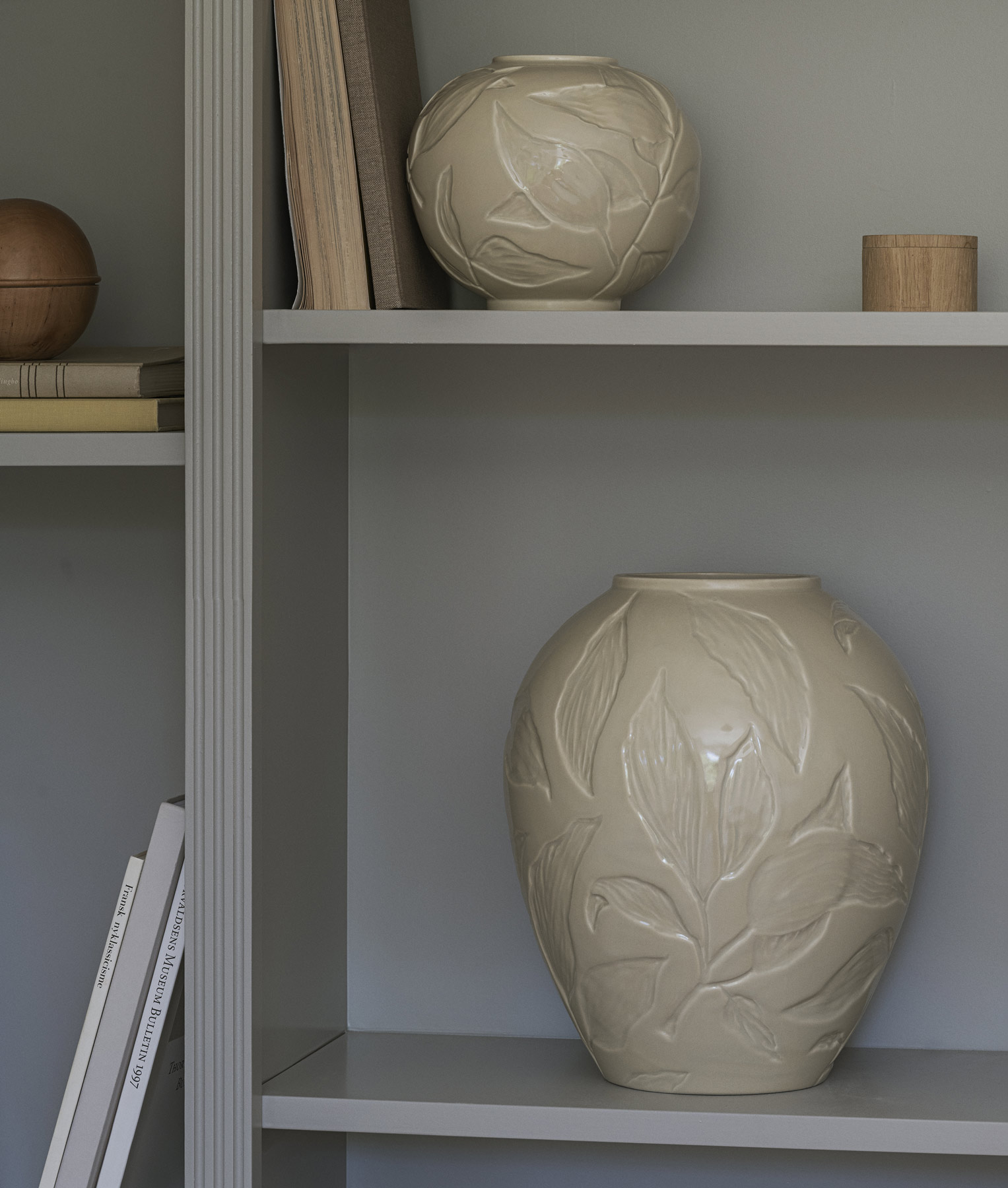
Blending with interiors.
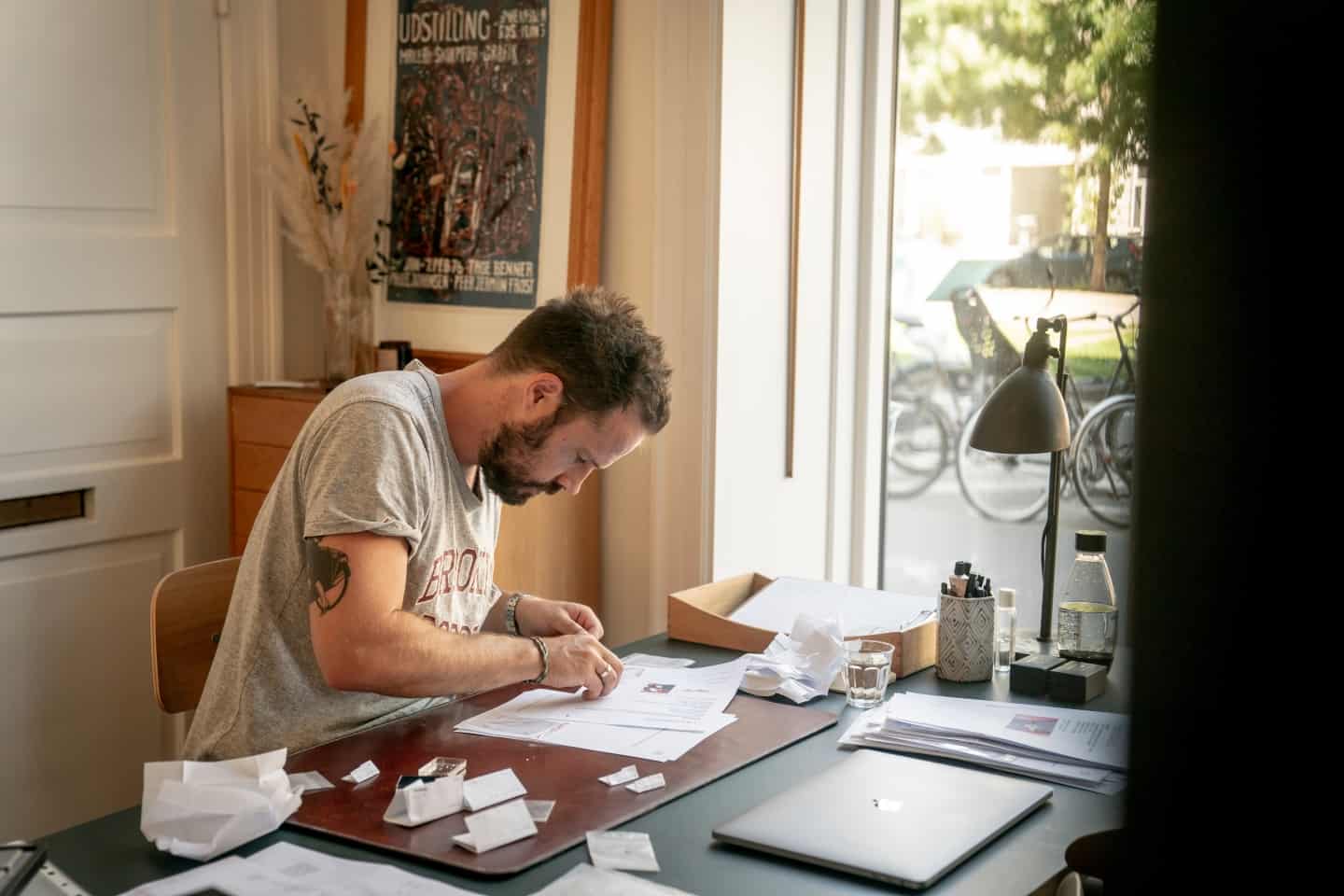
Anders Forup in his studio.
Lastly, can you tell us a bit about your background? How did you become interested in ceramic art?
My journey with ceramics began about 15 years ago when I started collecting handmade crafts. My first passion was for Saxbo, a Danish ceramicist known for his exquisite glazes and clean forms. Collecting his work allowed me to unwind and reconnect with my love for art and craftsmanship. Though I originally trained as a psychologist, I’ve always been drawn to the tactile, the natural materials like clay and wood, and the idea that these materials continue to live and change over time. That’s what motivates me as a designer—to create pieces that are not just finished products but objects that will continue to evolve and gain character as they age.
Words: Bergs Potter & Anders Forup. Photos: Bergs Potter
We are always curious and eager to learn how and what you grow in your corner of the world – and not at least how you are living with Bergs Potter. Please share your experience by tagging us on Instagram or Pinterest; #livingwithBergs, #bergspotter.
Other stories you might like
https://bergspotter.com/wp-content/uploads/2025/06/anna_kubel_featured-1.jpg
1262
1900
Frederik
https://bergspotter.com/wp-content/uploads/2024/03/bergs_potter_logo_dark.svg
Frederik2025-06-25 14:12:062026-06-15 12:42:06A Postcard From: @annakubel https://bergspotter.com/wp-content/uploads/2025/04/untamed_spaces_featured.jpg
799
1200
Frederik
https://bergspotter.com/wp-content/uploads/2024/03/bergs_potter_logo_dark.svg
Frederik2025-06-10 07:00:002026-06-15 12:42:13Untamed Spaces
https://bergspotter.com/wp-content/uploads/2025/04/untamed_spaces_featured.jpg
799
1200
Frederik
https://bergspotter.com/wp-content/uploads/2024/03/bergs_potter_logo_dark.svg
Frederik2025-06-10 07:00:002026-06-15 12:42:13Untamed Spaces https://bergspotter.com/wp-content/uploads/2025/04/st_oak_featured.jpg
799
1200
Frederik
https://bergspotter.com/wp-content/uploads/2024/03/bergs_potter_logo_dark.svg
Frederik2025-04-10 07:00:002026-06-15 12:42:40A Postcard From: Laura and Nora
https://bergspotter.com/wp-content/uploads/2025/04/st_oak_featured.jpg
799
1200
Frederik
https://bergspotter.com/wp-content/uploads/2024/03/bergs_potter_logo_dark.svg
Frederik2025-04-10 07:00:002026-06-15 12:42:40A Postcard From: Laura and Nora